How to build a roadmap for a new product
Last updated: September 2026
A product launch is an exciting privilege in many ways. It is rare that you get to be part of building something entirely new, and the energy and pressure will be high. As a product manager, you will be pulled in countless directions. You need to review market data, write positioning statements and user stories, and outline the customer journey. But one area of focus demands your full attention: the product roadmap.
New product launches contain many deliverables and dependencies from cross-functional teams. You need to account for feature definition; design and development; testing and refinement; training across marketing, sales, and support; and customer communications. A roadmap helps you center the team around a timeline — so everyone can contribute with purpose toward your common goal.
Although we will primarily explore building a roadmap for a new product here, the recommendations in this guide can apply to any new service or even new, meaningful functionality within an existing product. All of this work requires immense cross-functional collaboration and launch planning. As you get into the details, also keep in mind that how your organization builds products depends on the methodology you follow. Our approach is most applicable to software companies that subscribe to more agile practices, but it is certainly adaptable.
Let's begin! Feel free to skip around to different sections as you would like:
What is a product roadmap, and why is it important?
We built Aha! around the concept of strategic roadmapping, so we have a lot to say on the topic. If you are a PM who owns new product development, you probably have a lot to say too. But product roadmaps are likely familiar even if you are just getting started in product work.
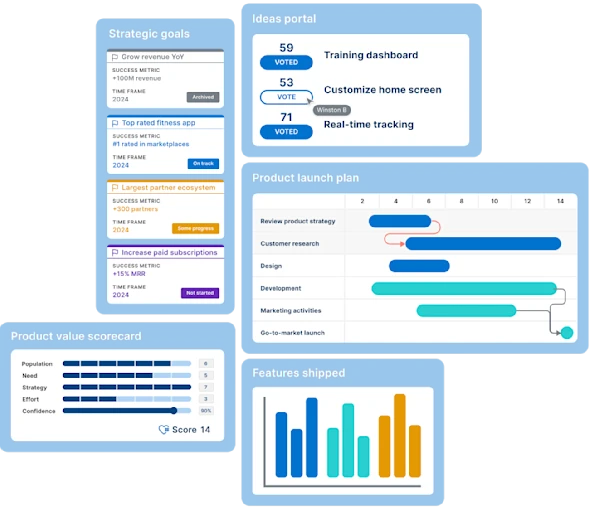
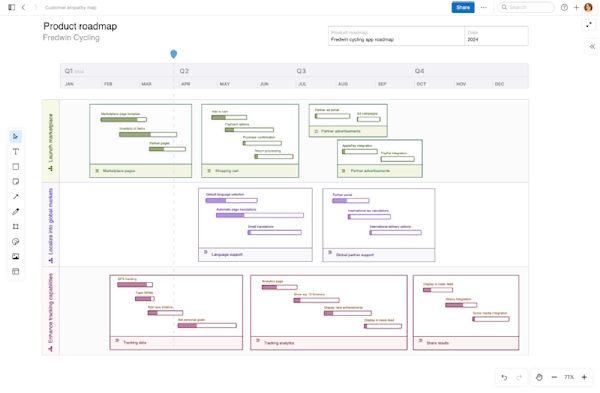
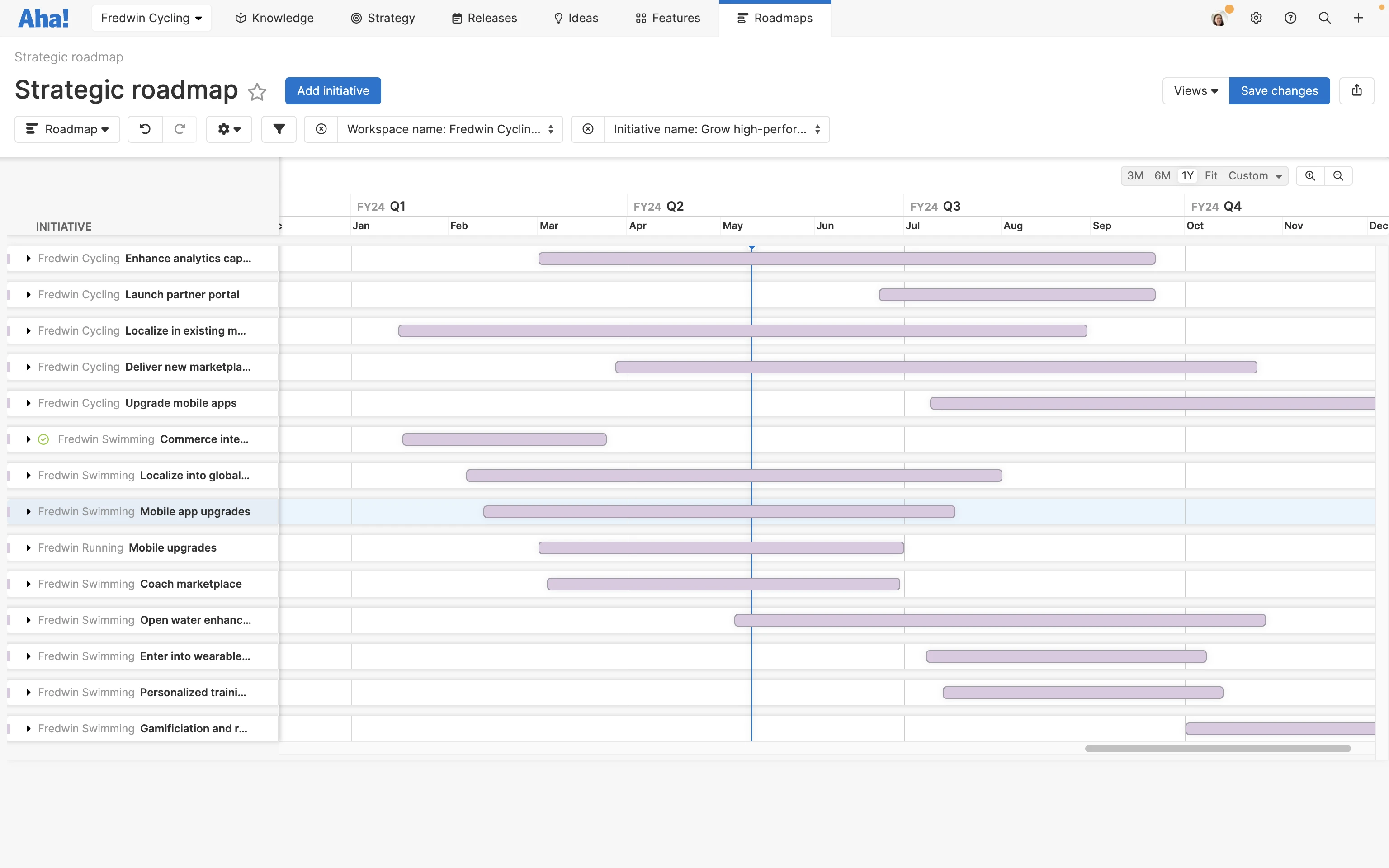
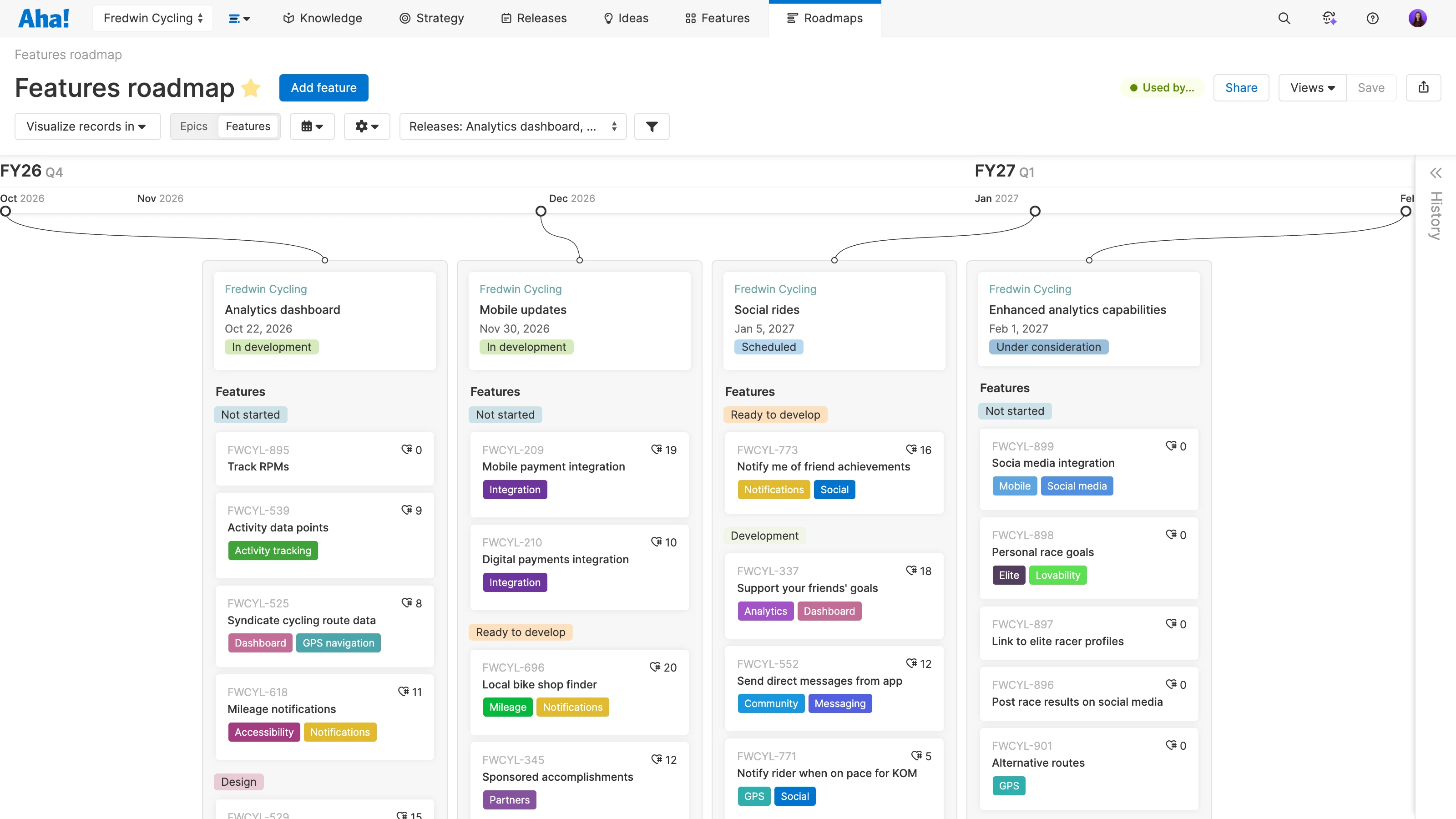
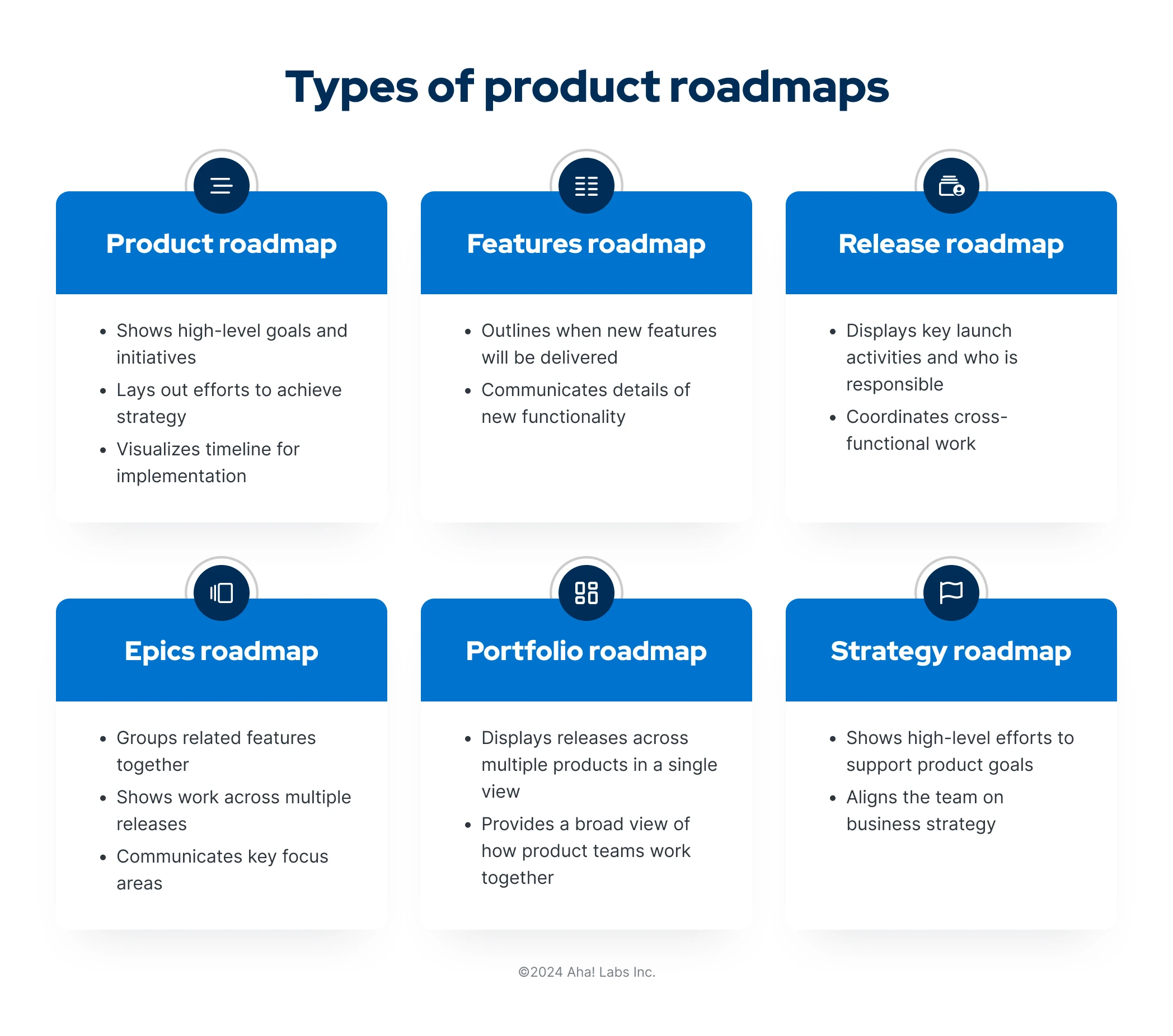
Our take is unique because we recognize the need to connect goals and initiatives to the detailed work on a roadmap — so stakeholders and teammates can see how the work helps you achieve your product vision. In short, a product roadmap is a visual tool that communicates your goals and initiatives, maps them to feature work, and includes a timeline for delivery.
But a roadmap is not just a communication tool; it is a commitment. Laying out clear milestones and time frames holds the team accountable and drives focus. A well-crafted roadmap rallies the organization, aligning cross-functional teams around a common purpose and ensuring every action propels your new product forward.
Build a brilliant roadmap for your new product — Try Aha! Roadmaps
How roadmapping works for new products
Building a product roadmap always begins with strategy. You need to understand the market you plan to serve and the problems your product will solve for customers. This information will help you define the "why" behind your product and how it will support the business overall.
Getting to this strategic inflection point might take a good deal of upfront work. This is especially true if you are launching a new product as well as a new company. Before doing product roadmap planning, you have probably spent time on foundational work that includes:
Conducting in-depth market and customer research
Completing a competitive analysis
Defining your vision (the north star you will vet product decisions against)
When launching a new product within an existing portfolio, you might have already completed this foundational work. However, you will need to revisit some steps: setting product goals, defining initiatives, writing new product positioning, creating customer personas, and more. This will help inform what you put on your product roadmap. However, it is a lot of information to consider — AI tools can help you expedite this work.
Let's assume much of this foundation-setting is complete. (If not, you are still in the right place. Lean into all the companion guides listed below to get started.)
Related:
Going forward, we will assume that your high-level company strategy is complete, you are launching a new product at an existing company, and you are ready to build the six- to 12-month roadmap for the new product.
Set product strategy
After you review the overall business strategy, narrow in on the goals and initiatives you will deliver for the new product in the portfolio:
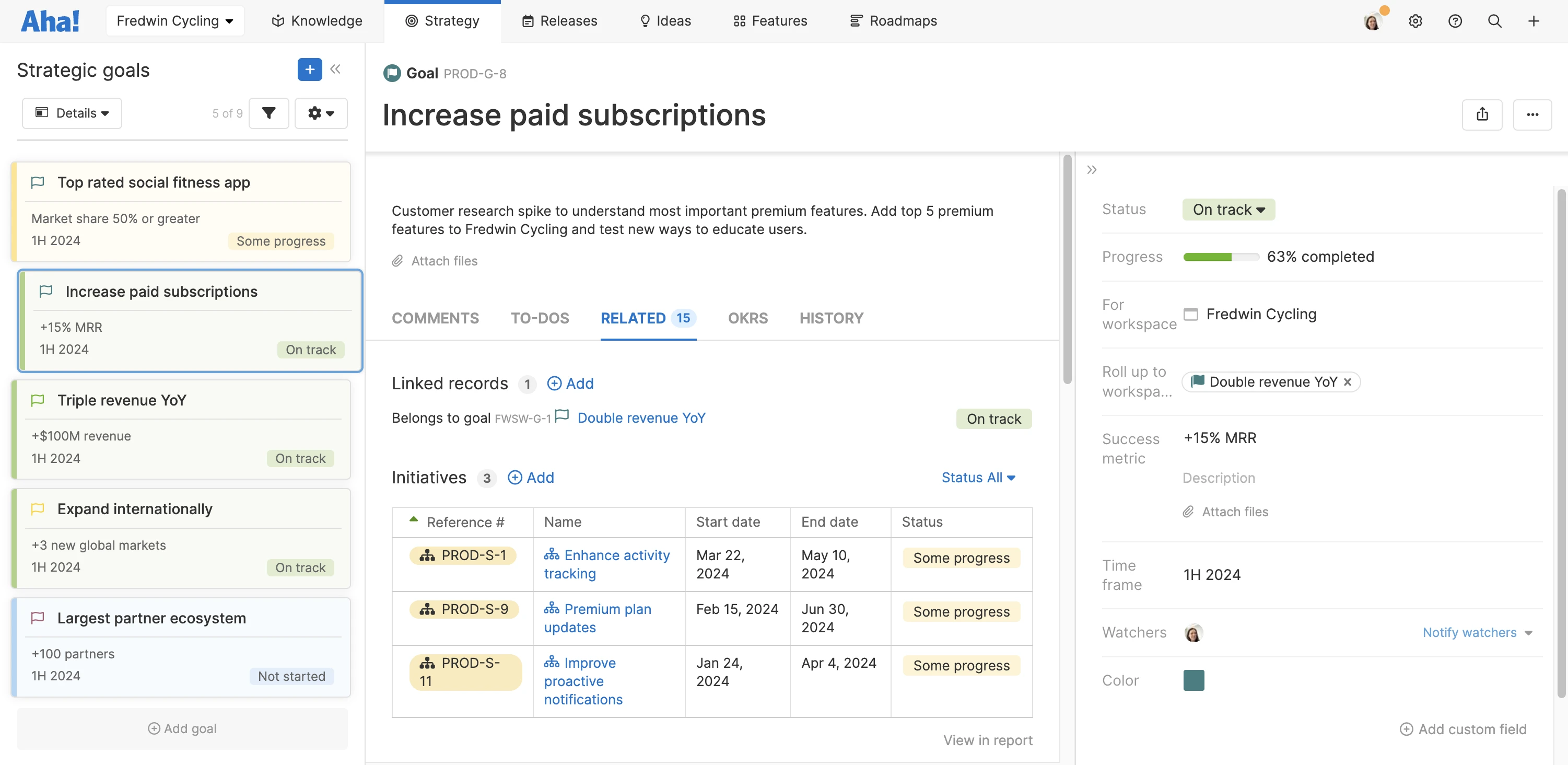
Product goals should be measurable, achievable, and time bound. (We will talk more about time and launch dates later.)
Initiatives represent the broad areas of work that will help you achieve your goals. Initiatives can be broken down into epics and features and then organized into releases as plans progress.
Part of determining the above is understanding what is required to deliver real value to customers. At Aha! we focus on delivering a Minimum Lovable Product (MLP) — this means we want a new product to be lovable (even as we plan to improve it over time) rather than merely tolerable. Starting with an MLP mindset can help differentiate your product in the marketplace and lead to longer-term success.
If the connection between your vision and strategy feels unclear, ask AI to review and propose measurable goals that support it. Its suggestions can help you clarify priorities and turn broad ambitions into a starting point for your product strategy.