Explore more below:
What is a product release?
A product release is the process of delivering a new product experience to your customers. But a release is much more than just a roll-out of new functionality. For your customers, it is a promise of new value. For your internal teams, a release is the result of all the cross-functional work required to get the product to market and support every customer interaction associated with it.
Of course, a release means different things to the product team and engineering team. Engineers typically define a release as the process of planning, building, testing, and deploying code into production through a series of sprints. For product teams, development just represents one phase of the broader release plan.
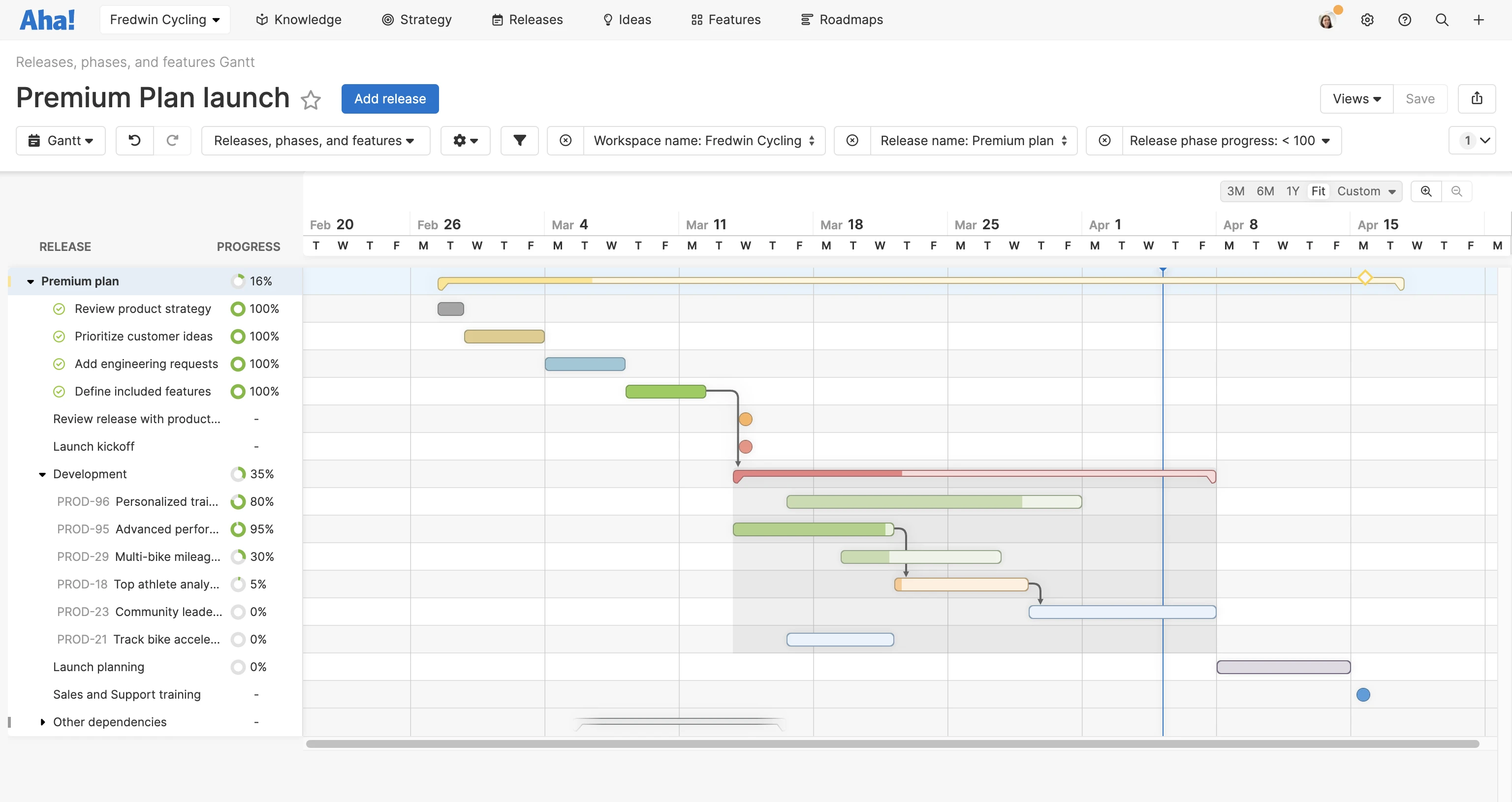
When planning a release, take into account all the cross-functional work needed to support customers, such as updating the public website and training the support team. A typical release management process includes the following phases:
Strategy review | Aligns the team around your goals and initiatives — keeping everyone focused on the "why" behind the work. |
Release definition | Determines the focus or scope of what you will deliver. For instance, you may have a large initiative that you want to split into discrete releases based on areas of your application. |
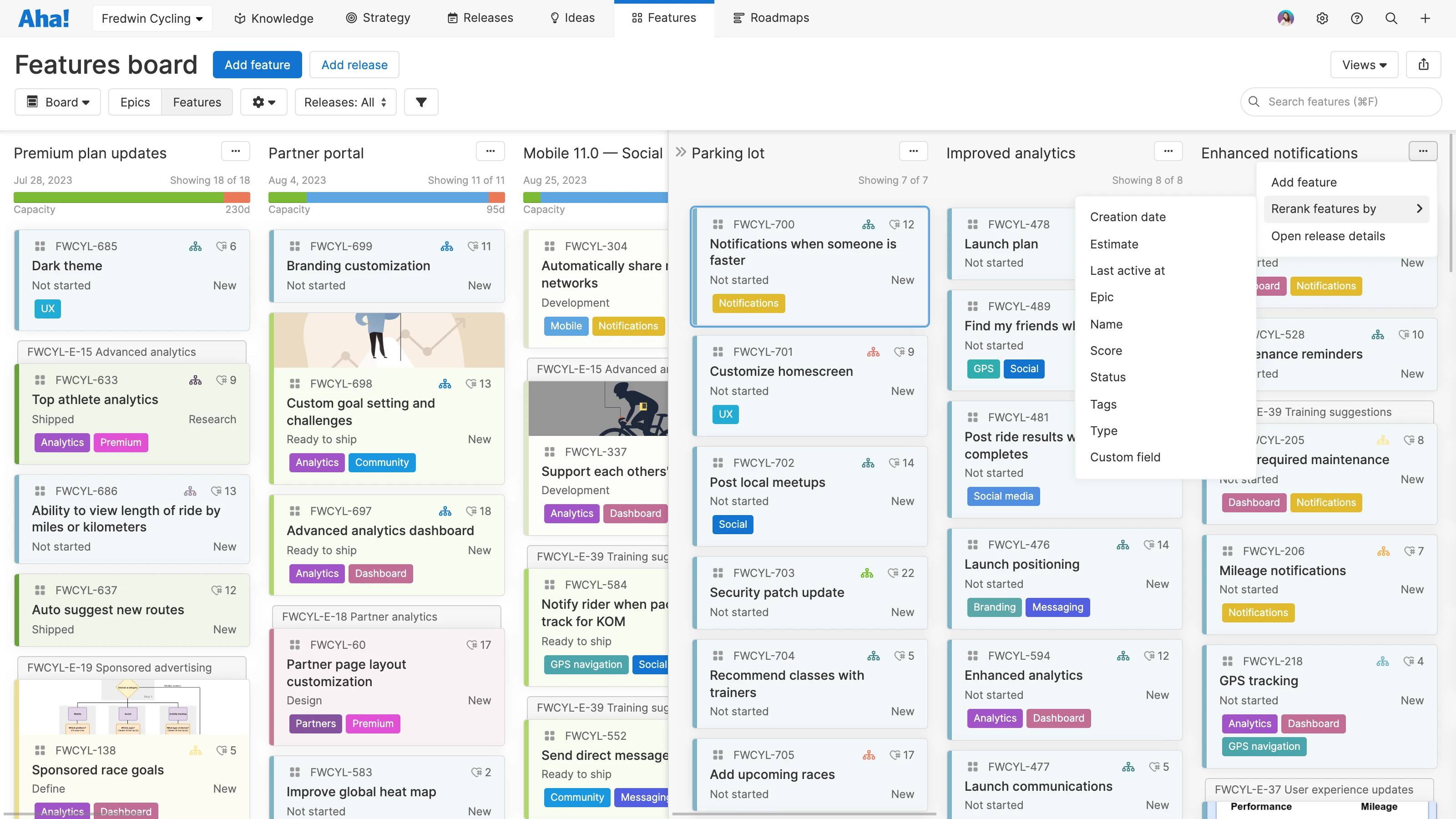
Backlog review | Identifies features from the features backlog that fit within the defined release theme and support your goals. |
Feature definition and prioritization | Defines a prioritized set of features and requirements that will be included in the release. It covers details such as who you are building for, what it should look like, and what users should be able to do. |
Design | Includes customer journey mapping, prototyping, and visual design. |
Development | Includes development work required to build key features — most likely in a series of sprints. |
Launch planning | Outlines the cross-functional work needed to promote the release and support customer adoption. |
Testing, QA, and release preparation | Ensures that the new functionality works as expected — or is sent back to development to fix. This phase also includes checks by the QA team and approval by the product manager or product owner. |
Marketing activities | Includes any activities that marketing is responsible for — such as email campaigns, blog posts, and social media. |
Sales and support documentation and training | Provides resources like release notes, how-to guides, and support videos to help customer-facing teams communicate the value of the release. |
Go-to-market launch | Releases code into production and brings the new functionality to market. Now customers can enjoy the new experience. |
Some release phases must be completed linearly — one phase cannot be started until the one before it is completed. For example, designers cannot start creating prototypes until they have a definition of what the feature is supposed to do and who it is for. This is why many product managers use Gantt charts to plan releases and visualize dependencies.
Effective release management requires collaboration and transparency throughout the entire process. You can imagine how easily bottlenecks and delays can happen if you do not have a single source of truth to capture the work and desired outcomes.
Top
Why plan releases?
In agile product management, you may feel that there is no need to plan actual releases — some even consider the term "release planning" obsolete. But the value of release management is methodology-agnostic. Releases define your themed product journey and represent major launch milestones within that journey.
You may choose to call it a launch, an increment, or some other name. Regardless, it is still a new offering your customers will anticipate. And internal teams must accommodate for the release requirements within their schedule of other planned work if they are to assist your efforts.
The actual dates of engagement may have less precision as far as committed targets for an agile team. However, a general delivery plan (even in an agile framework) will continue to establish trust and expectation in your product with your customers and teams.