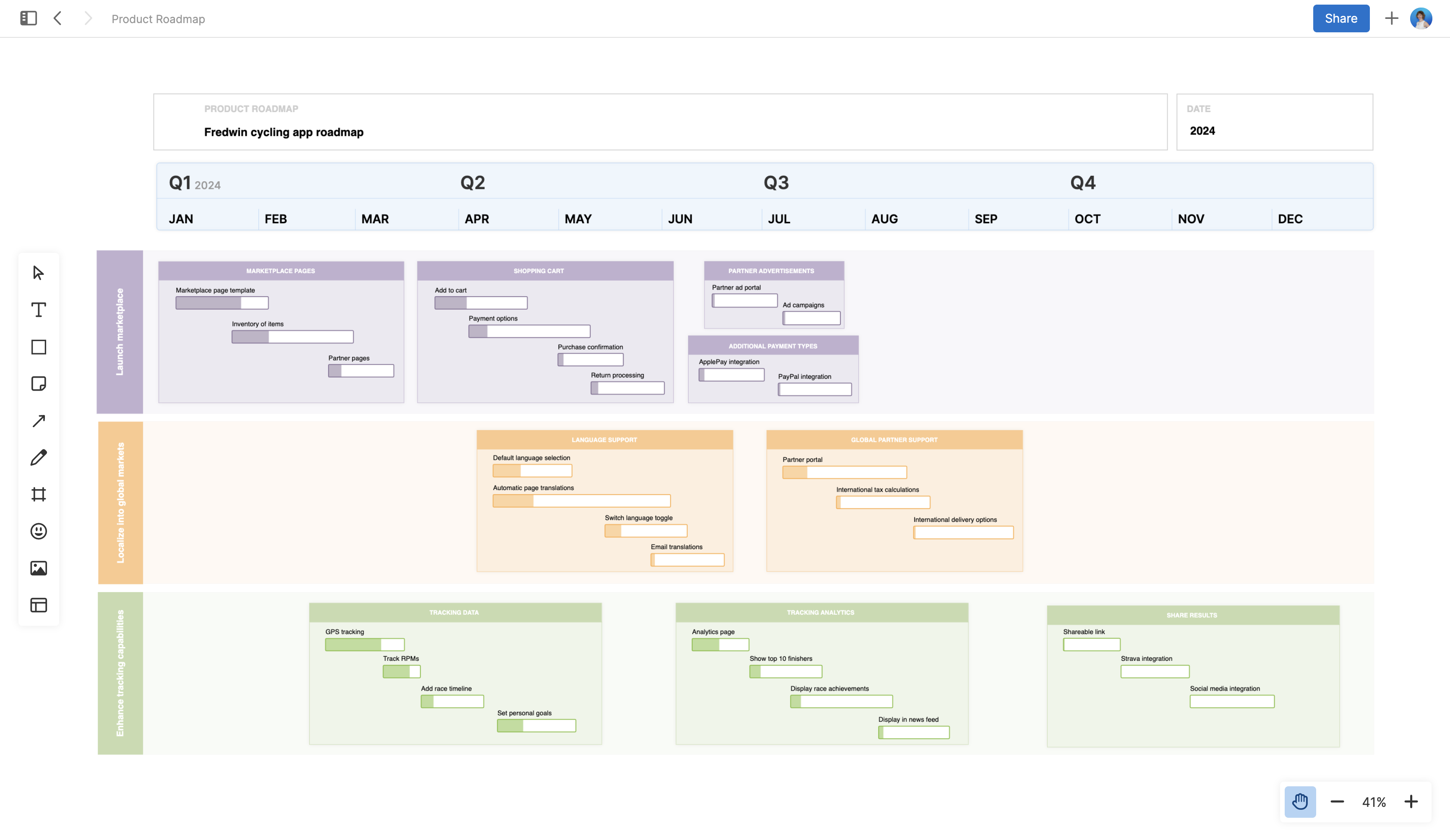
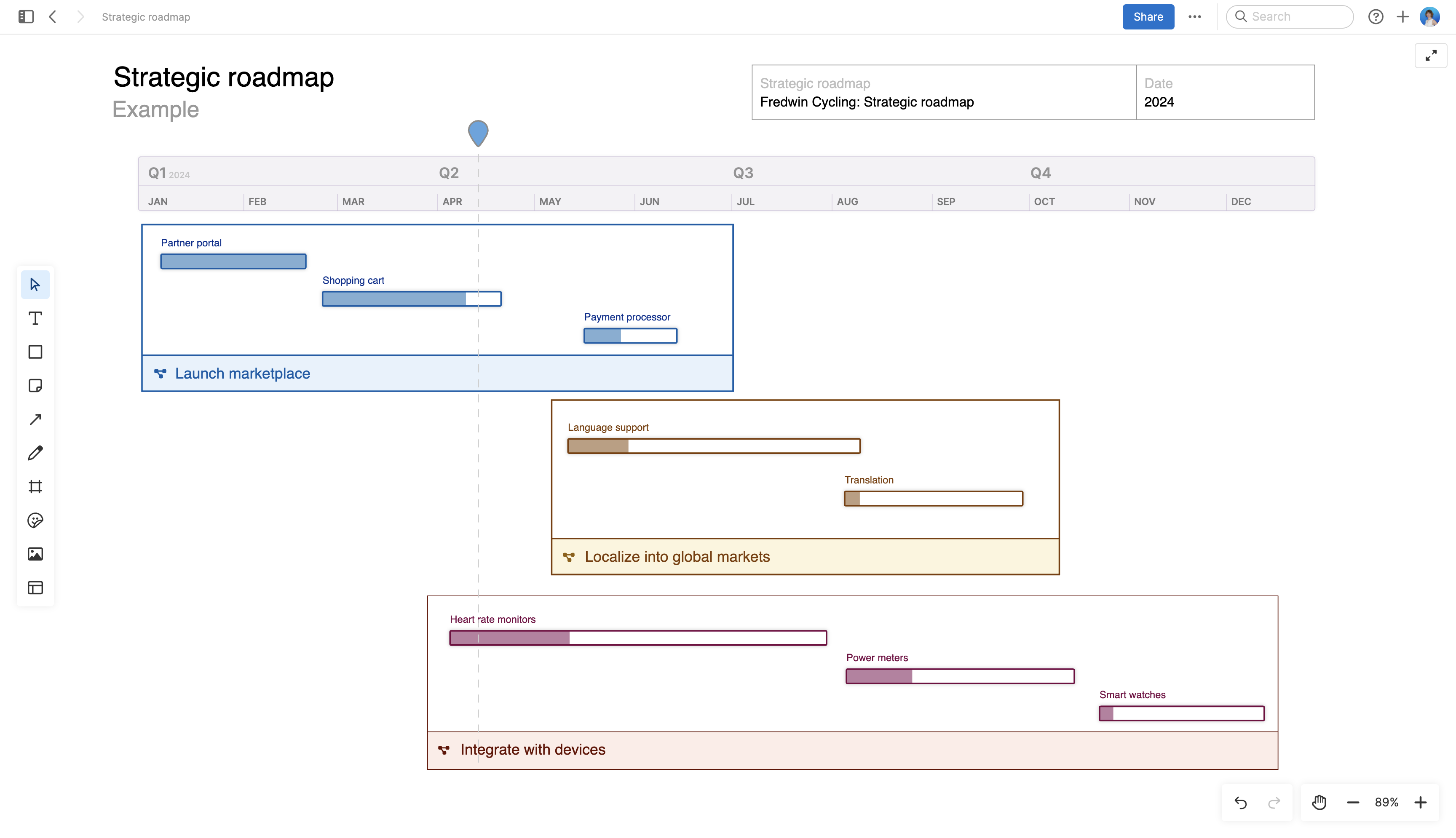
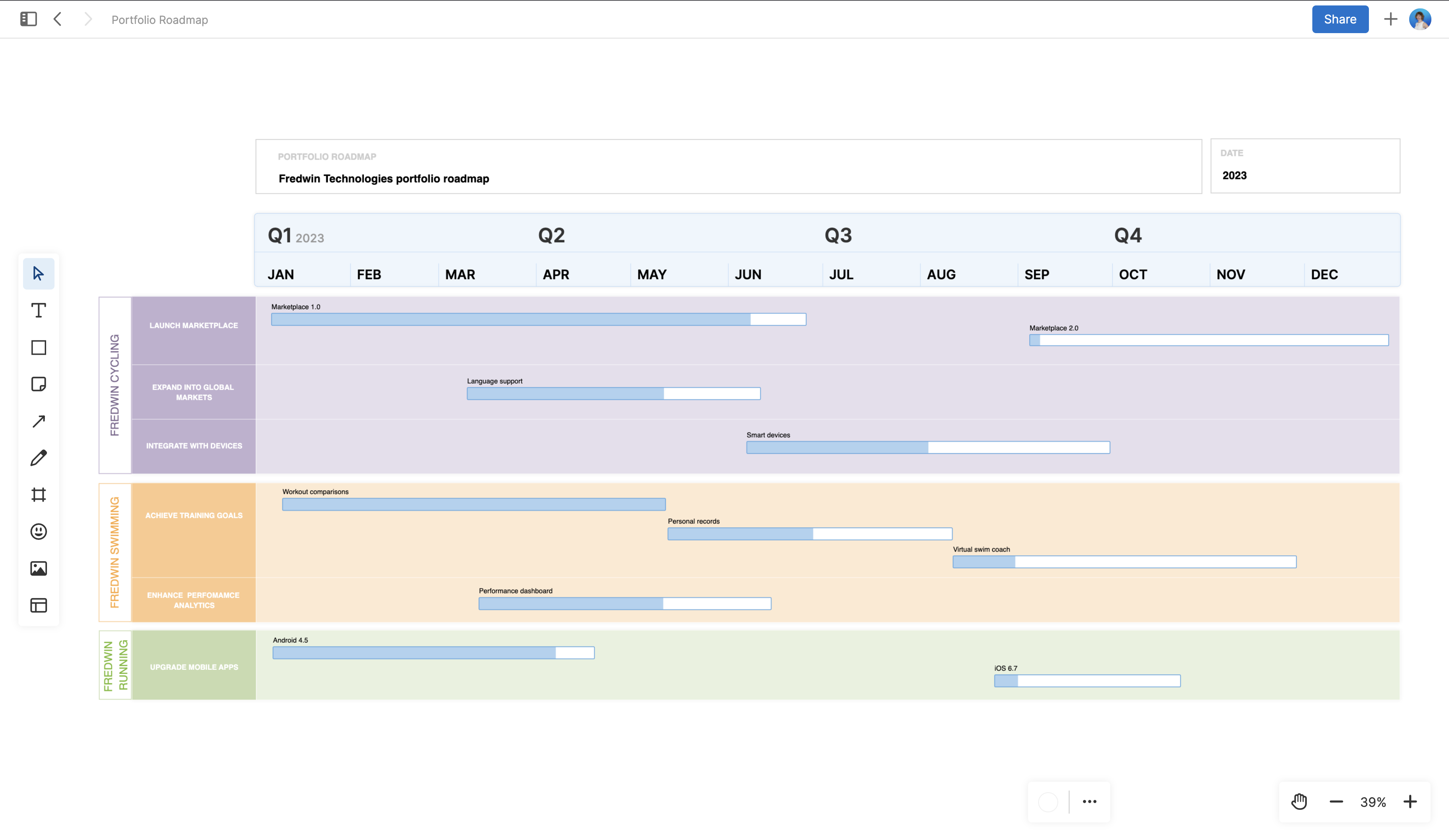
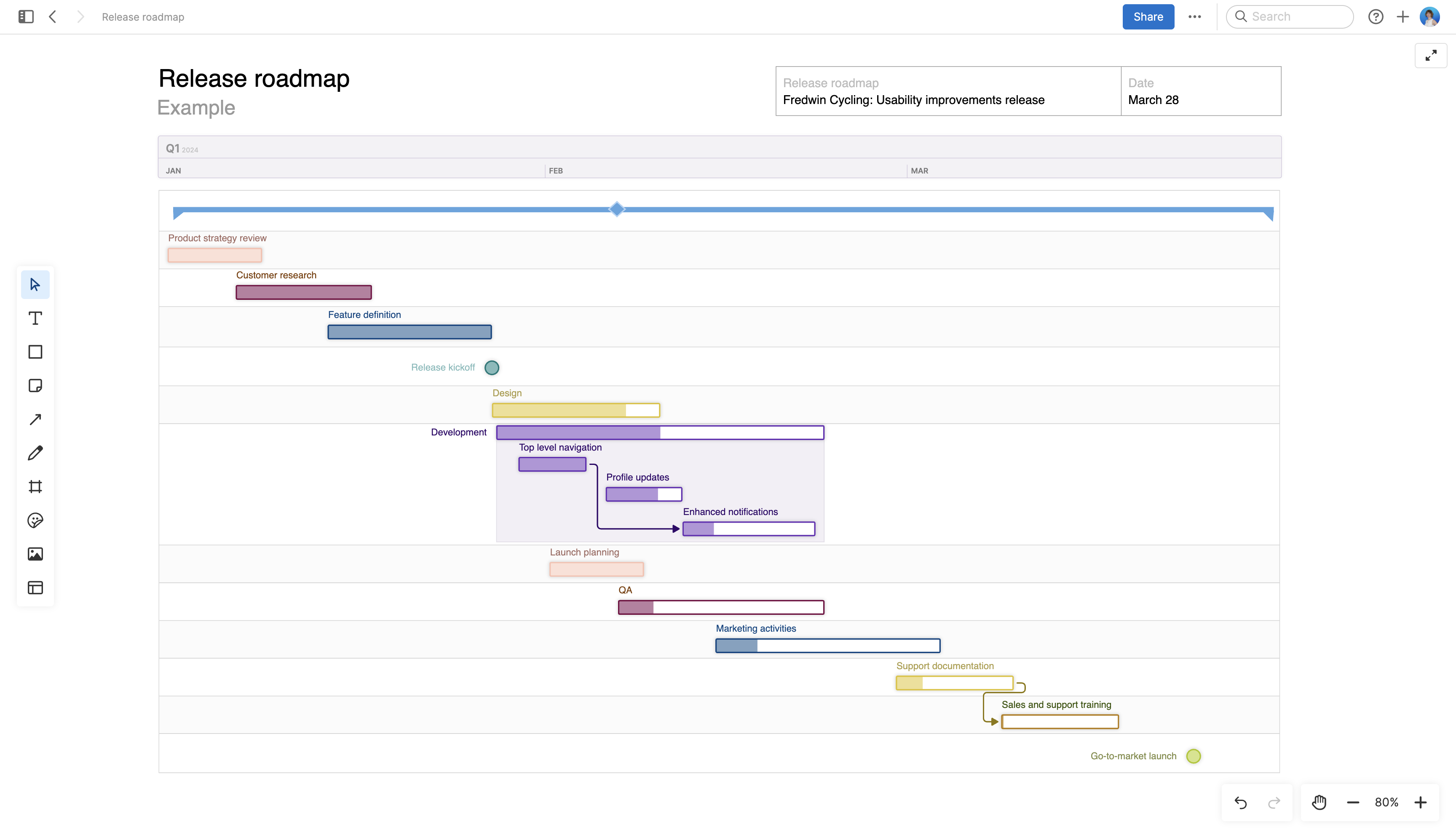
Building a roadmap is a commendable stride toward product greatness. Moving forward, your product roadmap will be the best reflection of your progress and impact. Keep planning, collaborating, and updating your roadmap so that your work is always in motion and up-to-date.
Top
How to approach creating a product roadmap
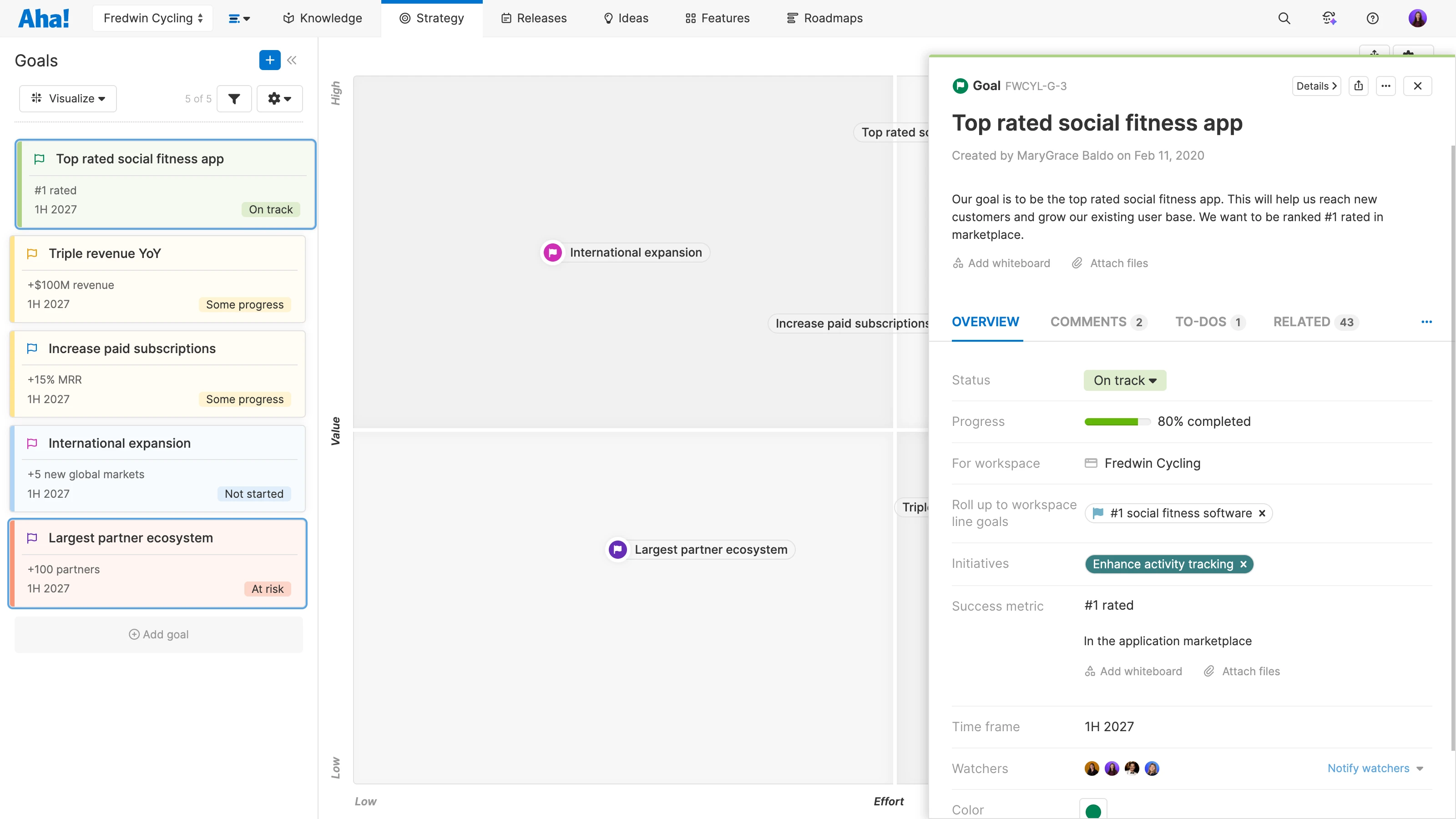
Building a product roadmap is complex and dynamic work. The process starts with strategy — you must establish the product goals and initiatives that your efforts will support. Once those are defined, you can decide which releases and features are best aligned with your strategy and then visualize it all on a timeline.
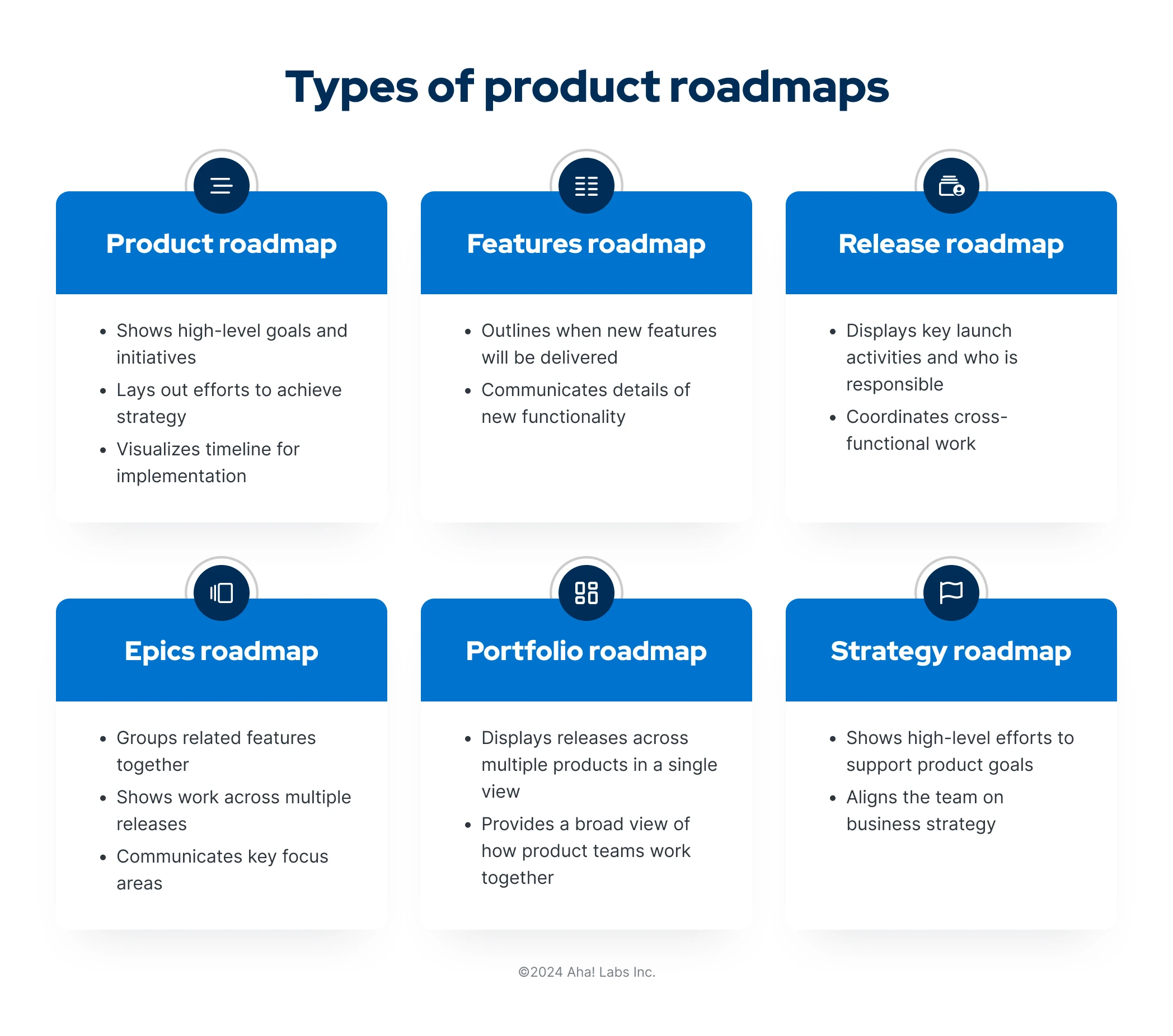
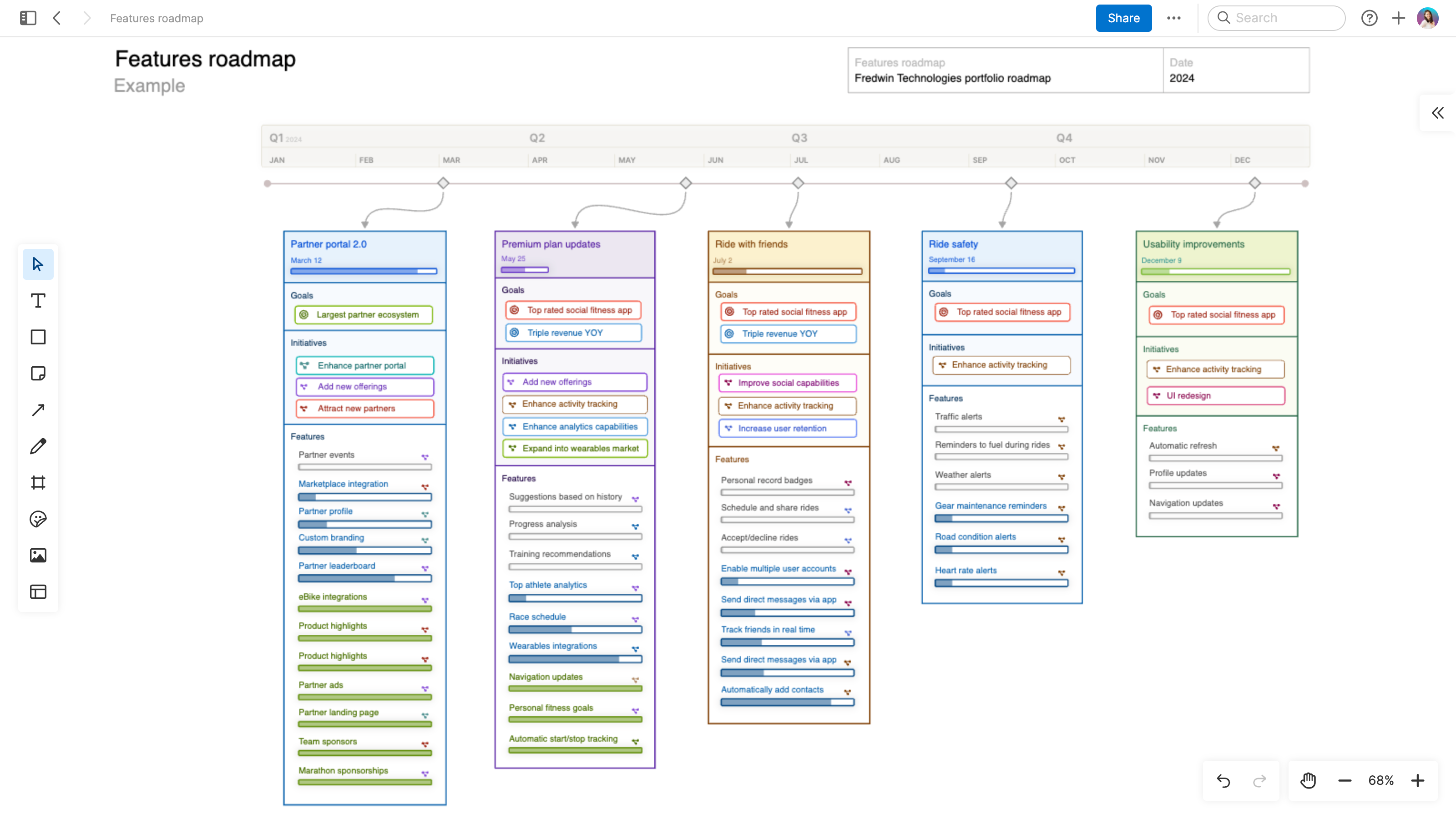
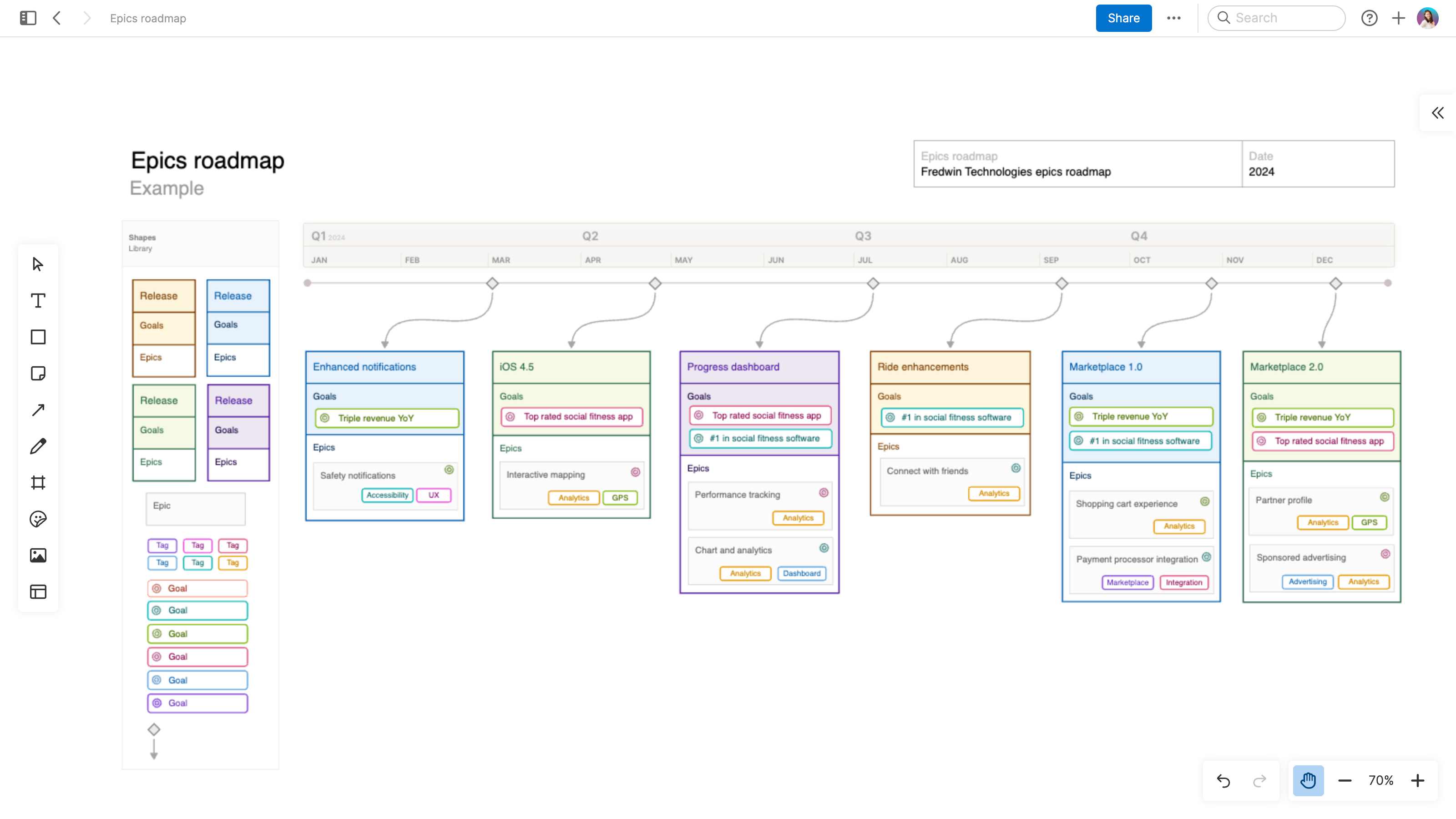
A few considerations will shape your roadmapping process. One is your audience — what you show on your roadmap depends on your intended viewers. In the table above, you saw how different types of roadmaps help to highlight different elements. As you build and customize your product roadmap, you can make additional decisions about which details to include (and which to leave out) so that the information portrayed is relevant to whoever is viewing it.
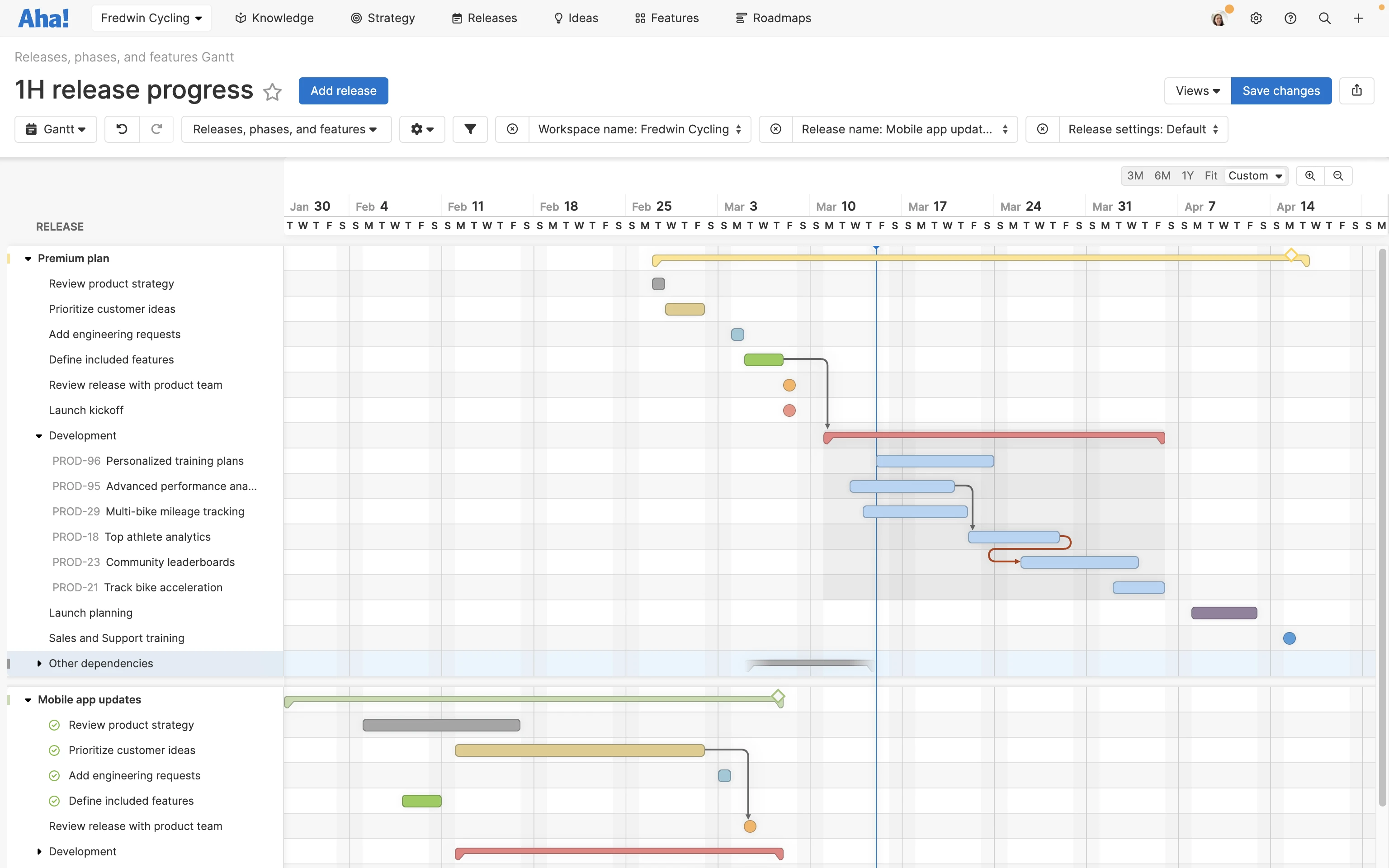
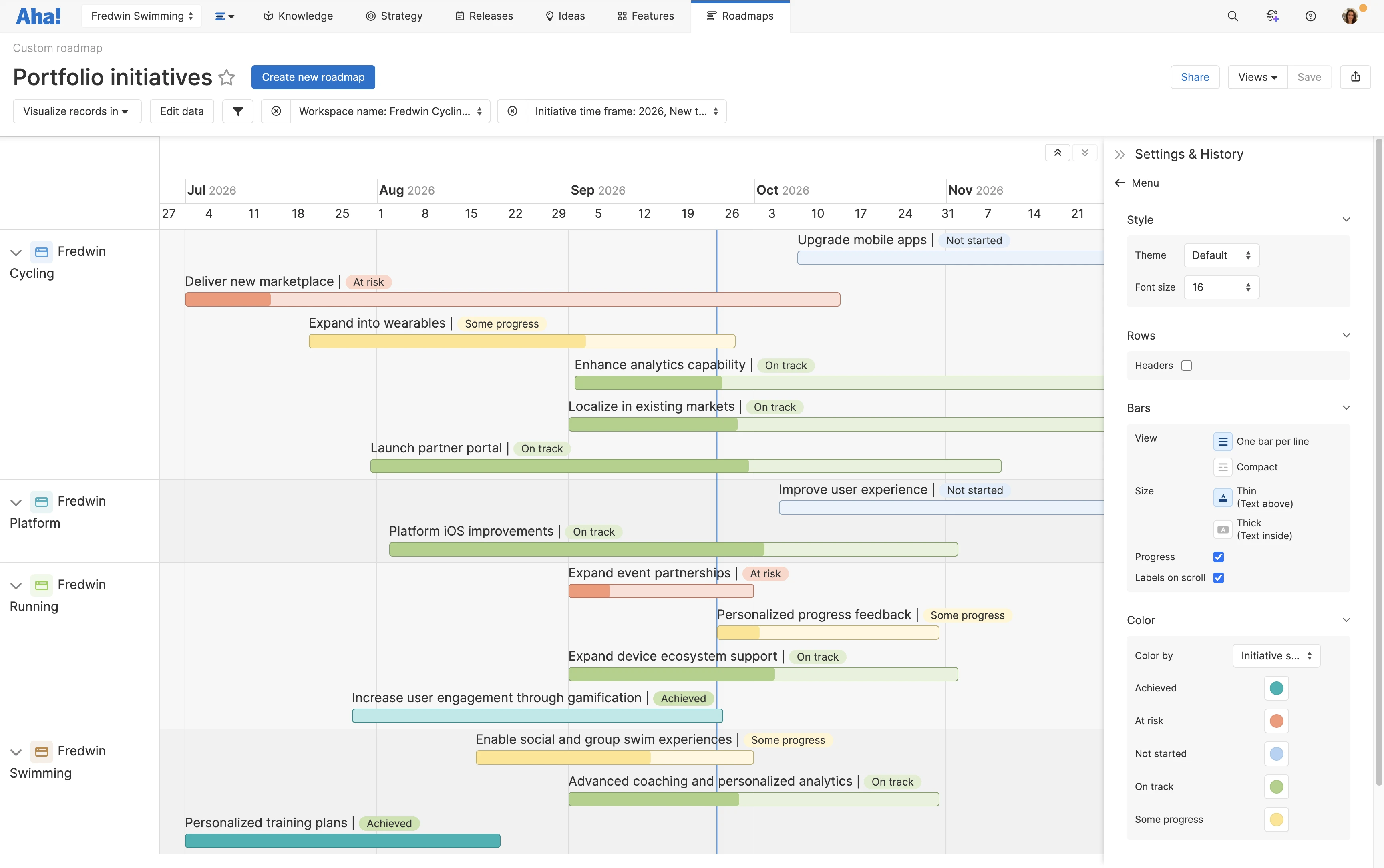
For example, the leadership team will want to understand the strategic importance of what you will deliver, conveyed through roll-up relationships between major releases and associated goals and initiatives. Your product marketing team, on the other hand, will be more concerned with the details and dependencies — so they can track and visualize moving pieces leading up to a product launch and coordinate all go-to-market plans accordingly.
Related:
You might share a version of your roadmap with customers too. Customers will want to see what is upcoming — especially any critical functionality they need. On a customer-facing roadmap, you might choose to show a broader release time frame instead of an exact date so that you have flexibility to shift if necessary.
Your product roadmap will also reflect the development methodology that your organization follows. For example, an agile team will create a product roadmap that is incremental and flexible to accommodate changes in customer needs and the market. But product roadmaps for organizations following a traditional waterfall approach will be more fixed — conveying a long-term commitment to building specific features within a given time frame.
Components of a product roadmap
The details and context may vary, but all product roadmaps should include a few key elements. Here is a quick overview of the main components you need:
Goals: Measurable, time-bound objectives with clearly defined success metrics. Goals represent the critical accomplishments needed to deliver your product.
Initiatives: High-level themes of work describing how your efforts will contribute to your goals. On a roadmap, initiatives show how specific releases and features relate to your strategy.
Releases: A launch of new product functionality represented on a timeline. Releases often contain multiple features that get delivered at the same time.
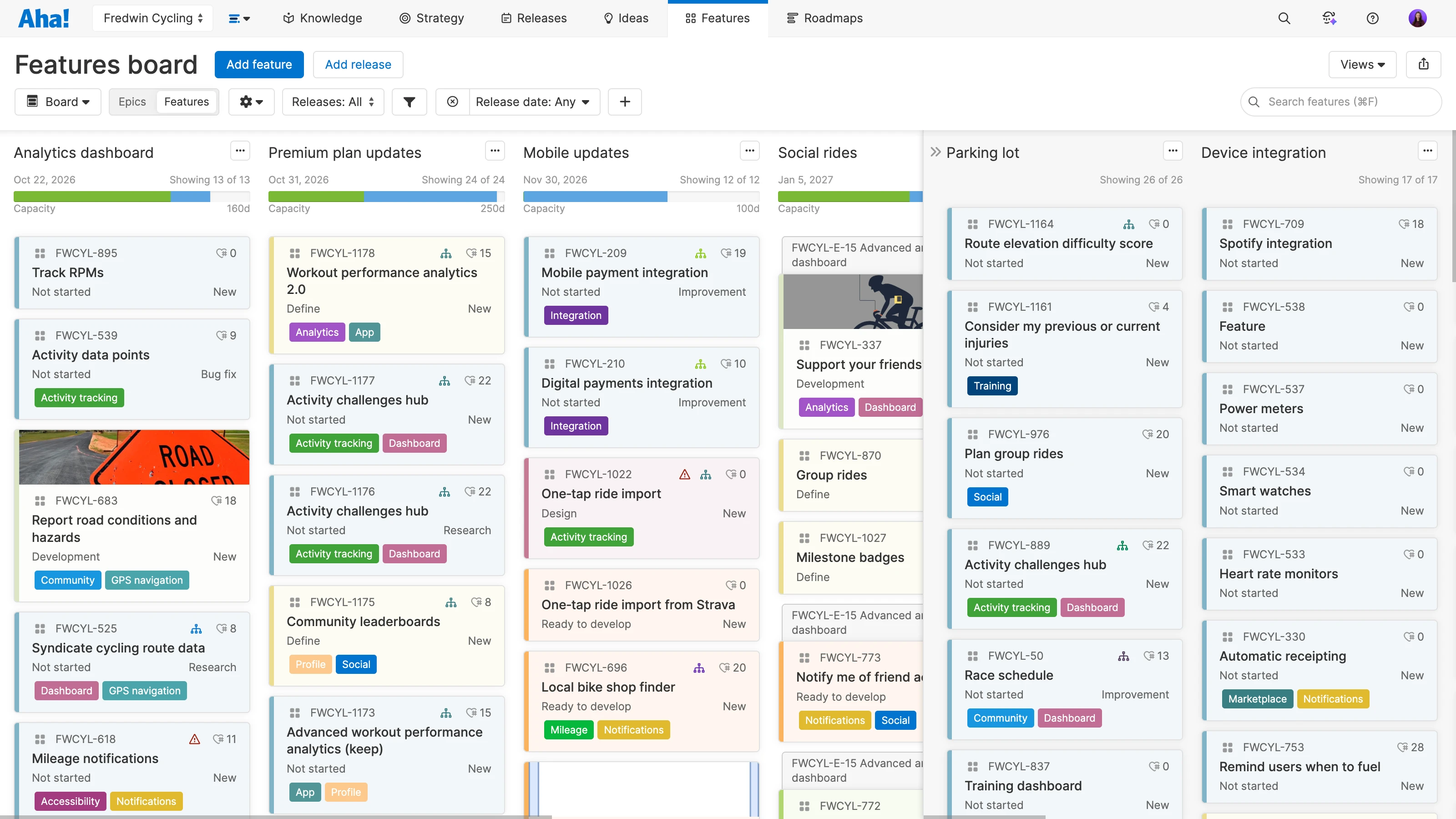
Epics: Larger bodies of work (like categories) that typically span multiple releases. Epics break down into smaller features that are delivered incrementally.
Features: A specific piece of new or improved functionality that results in value to users. Features can be related to capabilities, components, appearance, and performance.
Timeline: A visualization of when product releases will occur over time. The time scale can range anywhere from days to quarters or years depending on the amount of work and level of detail involved in a particular release.
How AI can assist with product roadmapping
The most difficult part of product roadmapping is not actually building the roadmap itself. It is synthesizing, defining, and prioritizing the many components that shape it — starting with pinpointing your product's goals all the way to finding a realistic delivery timeline for everyone involved. These moving parts require plenty of trade-offs and complex decisions with continual input from your strategy, teammates, and customers.
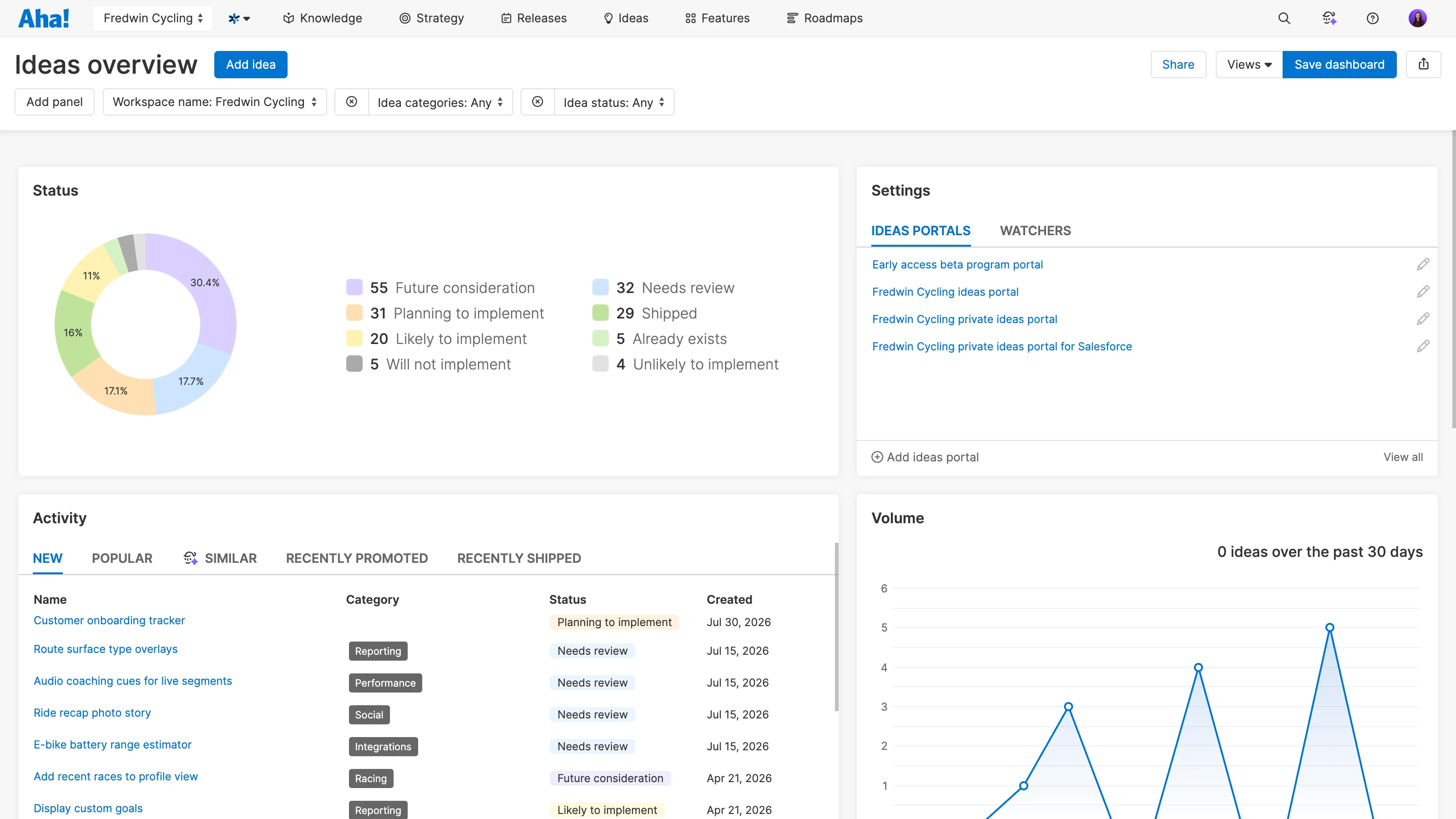
AI can help at each step of this process. Refining your product strategy, summarizing the best ideas customers submitted recently, and prioritizing your current features are just a few examples of how it can help you add the most impactful work to your product roadmap. In turn, it is easier for you to make informed decisions about what goes into it. (Want to see more use cases? Our AI prompt library suggests ways AI can integrate into your everyday processes.)
Once you have all these pieces in place, AI can help you create a "starter" version of your product roadmap. Start by asking it to consider the high-level information you have now (things like your current goals, initiatives, and critical customer feedback) and map out the corresponding bodies of work. Then, go in and make further refinements based on your team's customer, product, and market knowledge. Just be careful to think of AI as a first-draft generator rather than a decision maker. The product team should always own and update the product roadmap as needed.
Know that AI is not replacing roadmap planning as a whole — it simply helps you gather the disparate pieces you need to create that first version. Nothing replaces the institutional knowledge you bring, and the finished roadmap is always up to you.
Top