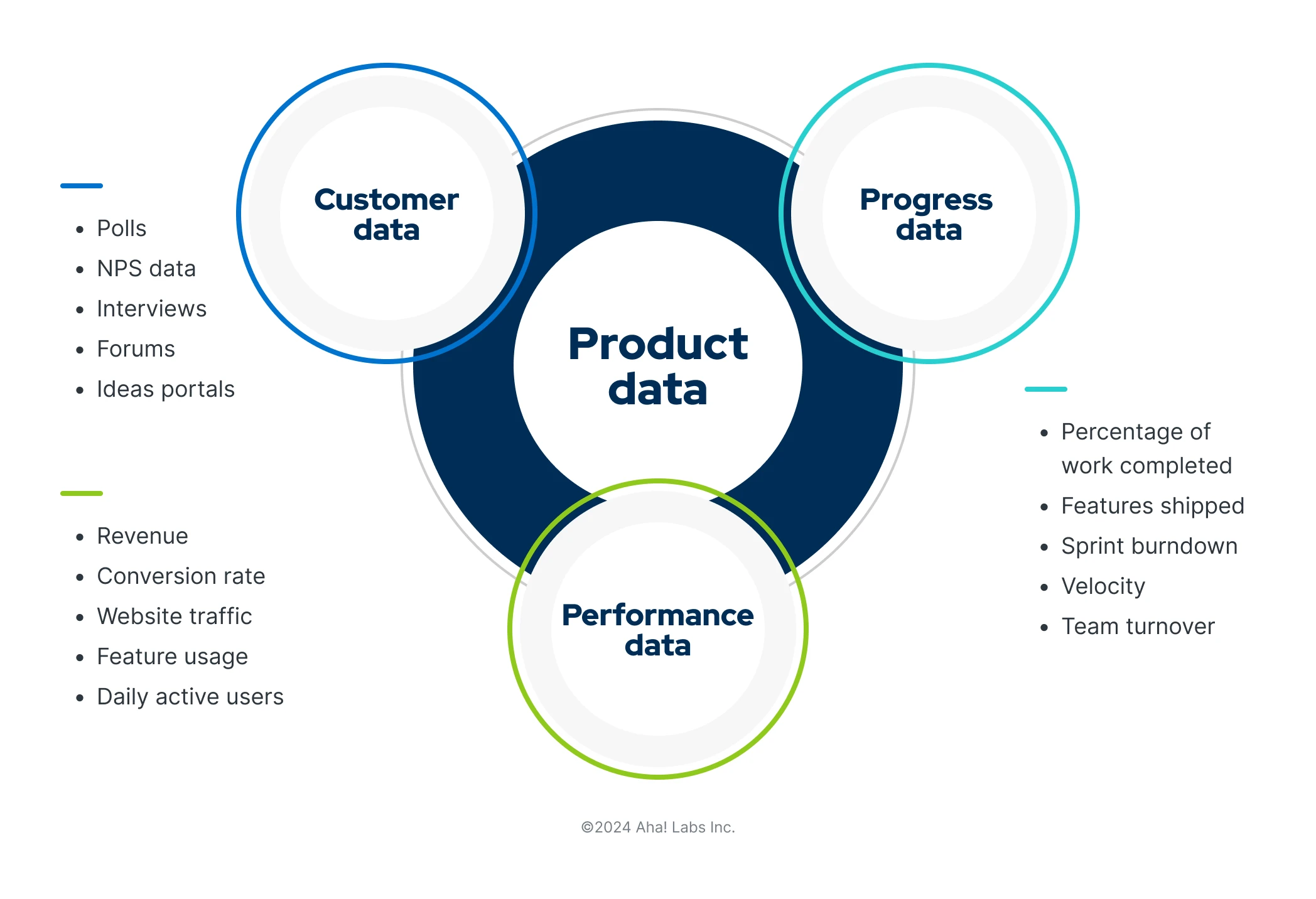
Product data can offer a wealth of insight. But it does not reveal the whole picture on its own. As a product manager, it is up to you to dig into and interpret the real meaning behind it. This is also important for avoiding certain pitfalls. Data can sometimes be inaccurate or poorly sourced, or it might be accurate and still lead to poor assumptions. You have to look out for the truth.
For example, let's say you notice a spike in traffic to a support article on a recently released feature, coupled with decent initial feature usage. This could be an excellent sign that your feature is popular and your customers really want to use it. It could also mean that people are confused by how it works and are getting stuck as they try to figure it out. In this case, you might dig into other metrics for clues or even reach out to your customer success team members to get more context from what they are hearing.
Use your intuition. Investigating the "why" is how you pair product data with your expertise as a product manager — using both to guide your decisions. That is what data-driven product management is all about.
Read more: 4 smart ways to analyze product management team success
Top
Why data-driven product management matters
In addition to supporting your daily product decisions, a data-driven approach matters in other ways too — all of which can help you be a better product manager. Here are some examples:
Goal achievement
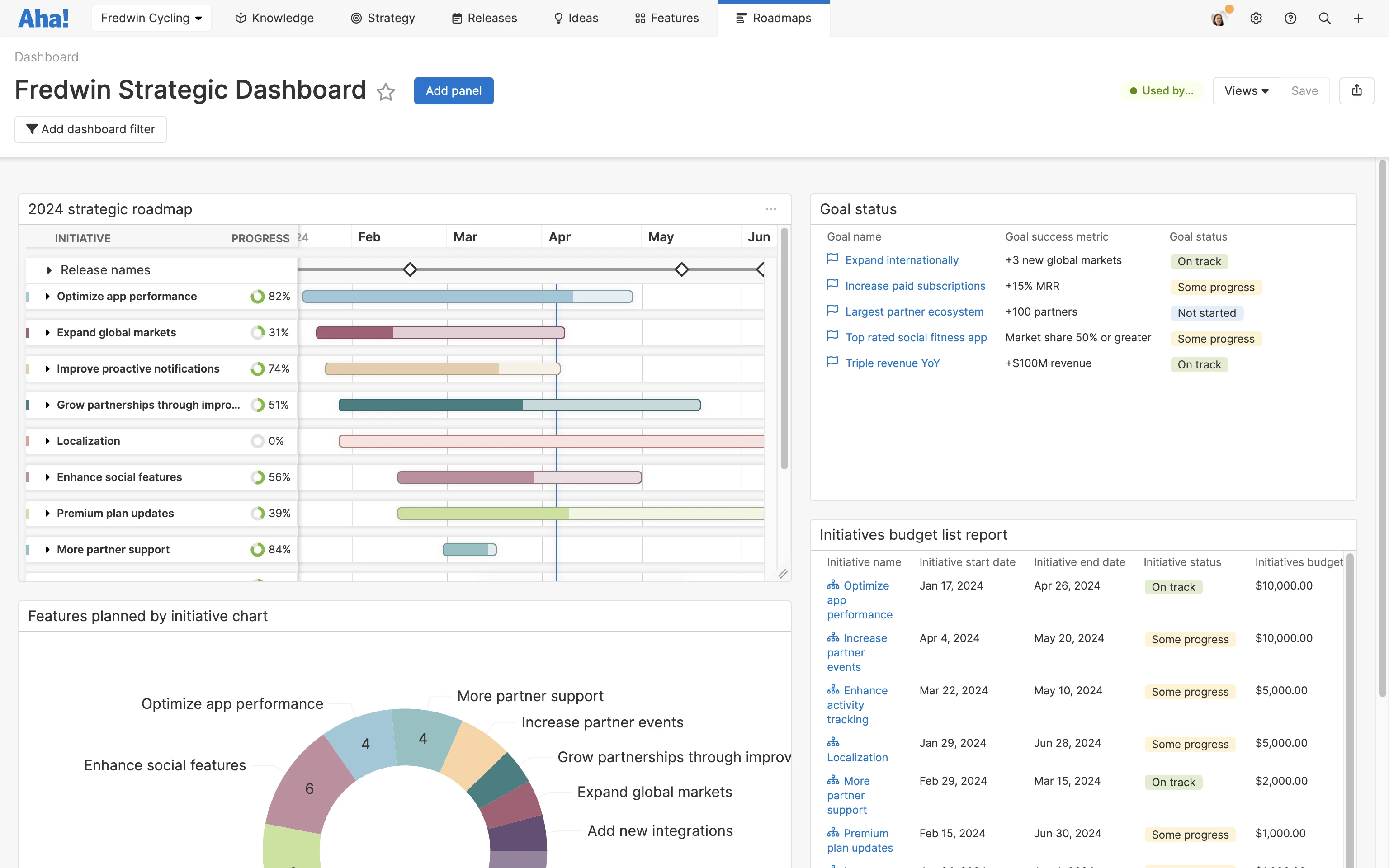
Product data helps you keep a pulse on strategy. Most goal frameworks (e.g., OKRs and SMART goals) are time-bound and measurable. The closer you track your success metrics, the better you know how you are progressing against your goals — as well as what you could do to reach them faster.
Stakeholder alignment
Product managers work with multiple types of data, but also with multiple teams. Although this cross-functional collaboration is less quantifiable, it is crucial to successful product development. Bringing product data into your team discussions can help you be more productive, keeping everyone focused on the most pressing needs and problems to solve.
Product-building confidence
You cannot rely on product data alone. But you can use it to help validate what you feel is best for the product, uncover new ideas, or solve challenges when things are not progressing as you had hoped. Later on, product data helps you reflect on past decisions and understand what went well and what did not — so you can go boldly forward.
And remember: Data-driven product management is only effective when you have a clear vision in mind. Stick to it, and let product data be something that helps you cut through the fog along the way. Take that approach, and you might impress yourself with what you can achieve.