Negotiating an offer template
Clarify what you need from a role and prepare for productive offer discussions
Use template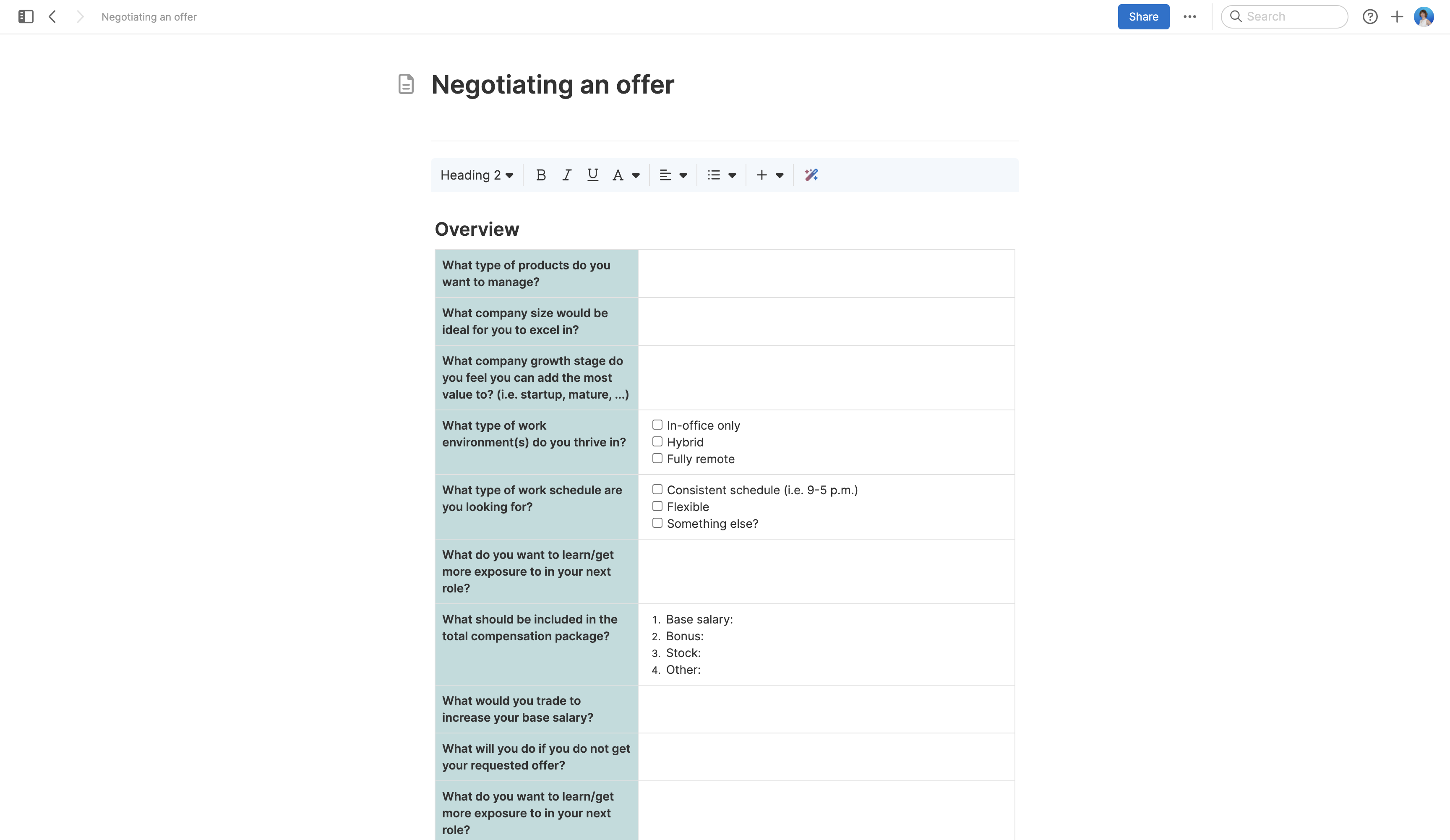
About the negotiating an offer template
Poring through a job offer can feel both exciting and uncertain — especially when you are trying to understand how the role fits into the life and career you want. It can be hard to compare details, weigh priorities, or know what questions to ask next.
This template helps you break the process into something more manageable. Capture the factors that actually matter to you: responsibilities, compensation, flexibility, support for growth, and day-to-day expectations. The layout gives you space to reflect, compare options, and note what feels promising or unclear.
Whether you are assessing one offer or juggling a few possibilities, the template brings structure to a moment that otherwise relies on memory or gut feeling.
Included in the negotiating an offer template
This negotiating an offer template includes built-in capabilities such as:
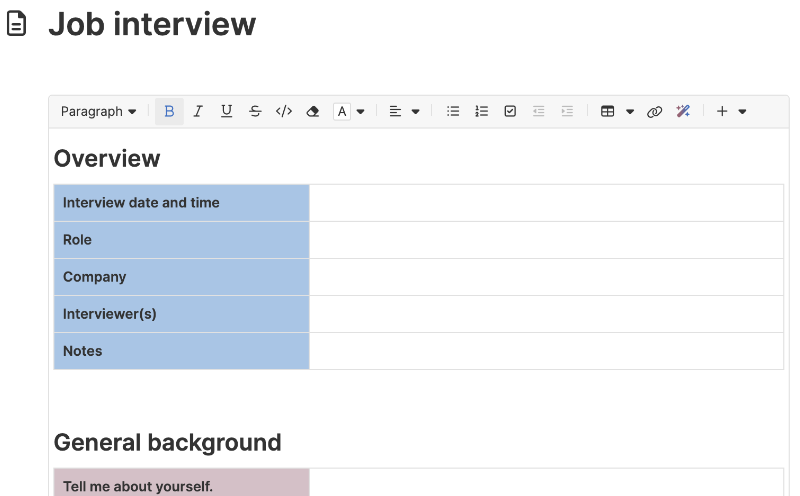
Pre‑formatted fields to capture your target compensation, priorities, and negotiation goals
Prompts for discussing the role's scope, performance metrics, and career growth with the employer
Inline comments to gather feedback from mentors or trusted colleagues on your approach
An AI assistant to help you draft compelling talking points and sharpen your negotiation strategy
How to use the negotiating an offer template
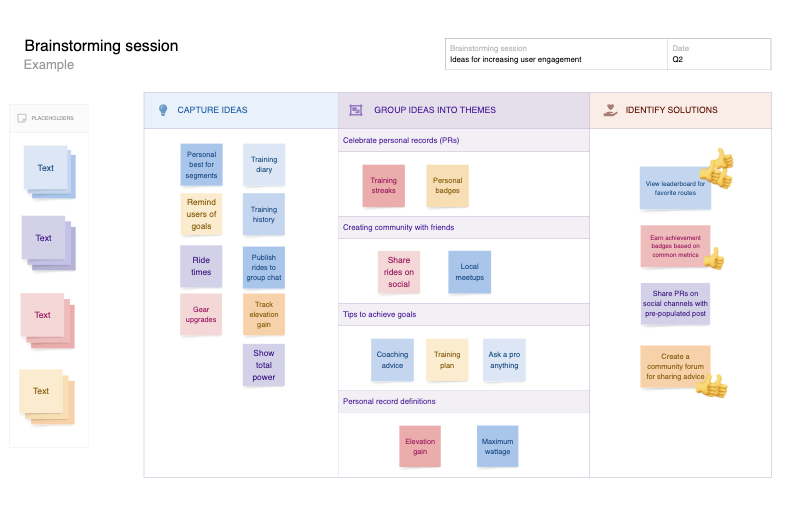
Start by writing down the factors that genuinely shape your decision — not just salary, but the kind of work you want to be doing, the support you need to grow, and the conditions that help you do your best work. Many people only realize what they care about once they try to articulate it, so treat this first pass as a working draft rather than a final list. Use different colors or frames to group themes, such as "role expectations," "compensation," or "work environment."
Next, add notes beneath each area. For example, if growth is important, list the skills you want to build or the types of projects you hope to lead. If compensation is a focus, note where you stand today and what would make the move worthwhile. You can also prepare a few examples from your past work, like results you delivered, problems you solved, or responsibilities you handled that demonstrated your value. These details make it easier to explain why certain parts of the offer matter to you.
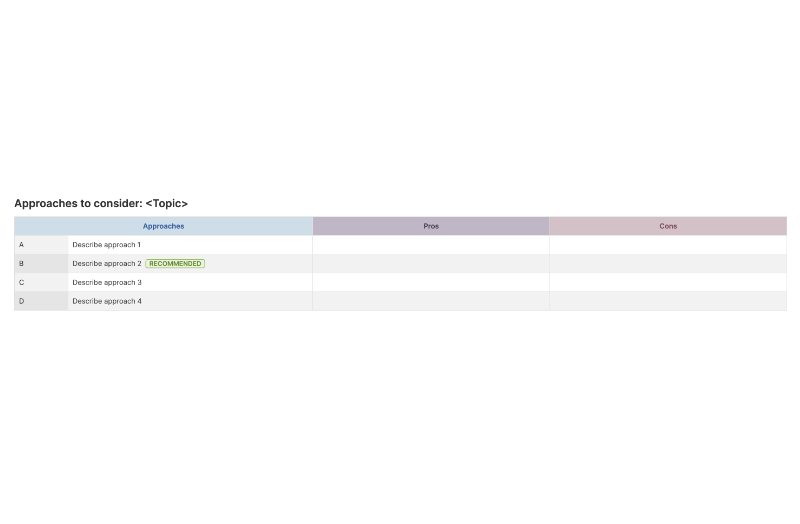
If you have more than one offer, duplicate the board so you can compare them side by side. Even with a single offer, the template helps you track what you have asked, what the company shared already, and what still feels unresolved. The goal is not to negotiate aggressively — it is to approach the conversation prepared, clear-headed, and grounded in what you actually need.
Best practices
Bring clarity and structure to an important career decision.
Define specific priorities: Instead of broad categories like "flexibility," write down what that looks like in practice. Perhaps it is remote work, core hours, or the ability to shift your schedule when needed.
Support your asks with evidence: Use market data such as published salary bands or compensation ranges from recruiters, and pair it with your past performance. Metrics you improved, responsibilities you took on, or problems you solved that show the level at which you operate are all helpful here.
Document each conversation. Track what you learned, how the employer responded, and what questions remain unanswered. Even one negotiation can involve several rounds of information-sharing, and documenting each step helps you spot gaps and follow up with intention.
Prepare your reasoning: Employers often ask why certain elements matter to you. Use the template to articulate the why — whether it is cost of living, professional development, or family commitments — so you can answer confidently and honestly.
FAQs about the negotiating an offer template
What kinds of details should you include when evaluating an offer?
Think beyond pay. Note what the day-to-day work looks like, how performance is measured, the team you would be joining, expectations for availability, and what growth could look like in the first year. These details often matter just as much as compensation when deciding whether a role is right.
How can this template help you prepare for the conversation itself?
Use it to outline questions you want to ask, points you want to clarify, and areas where you feel flexible. Reviewing everything visually can calm your nerves and help you stay focused during the discussion — especially if the conversation shifts in an unexpected direction.
What if you are not comfortable negotiating?
Negotiation does not have to be adversarial. The template helps you frame the discussion as shared problem-solving: "Here is what I need to be successful, and here is why." That approach often leads to better conversations and more realistic outcomes.
Can you collaborate with someone else on this?
Invite a mentor, coach, or trusted colleague to add comments or questions directly on the board. They can help you see blind spots, rehearse phrasing, or pressure-test whether your priorities reflect what you truly want.
Is this template free to use?
Yes. To use this template, sign up for a free 30-day trial of Aha! Whiteboards. (You can also try this template in Aha! Roadmaps if you need a complete product management solution.) Easily customize the template to suit your needs, then share it with as many people as you want (for free) to streamline collaboration.