Product All-Star: 5 questions with Jackie Tappan


Building products is an adventure. That is what makes it the best job in the world. But this role is not for everyone — true product success requires decisive action, continuous effort, and the relentless pursuit of value.
We have the honor of being connected to companies and product experts who go boldly and bravely. And we are asking folks to share their knowledge with you in the hopes it will inspire you in your own product career.
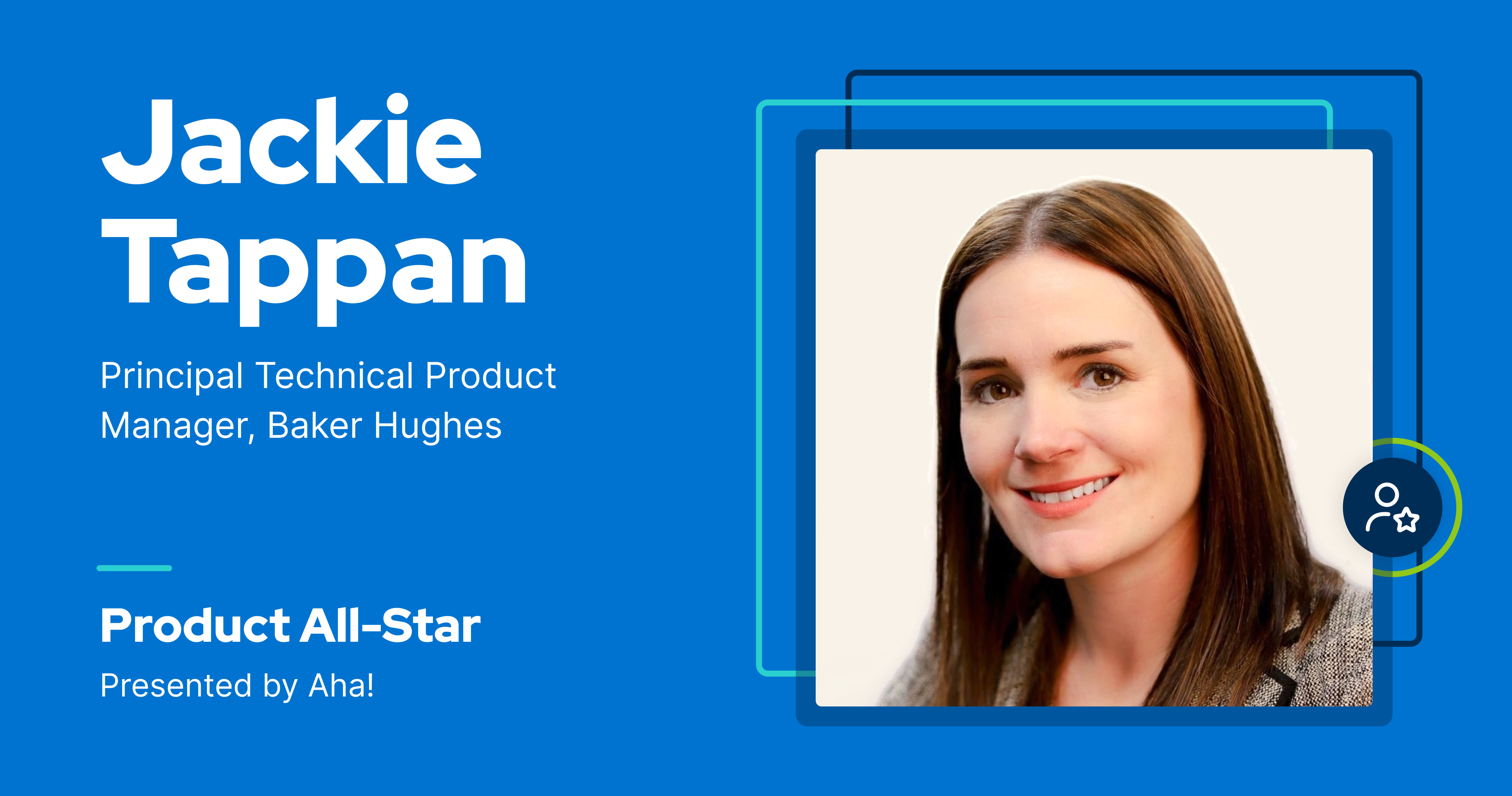
Jackie Tappan is a Principal Technical Product Manager at Baker Hughes and serves as the conduit between the organization's product management and engineering teams. On the product side, Jackie collaborates with the team to understand users' needs and prioritize work on the roadmap. She then brings this information to engineering teammates — helping them understand the "why" behind what they are building and validating whether it is strategically aligned before release. Jackie has also been instrumental in standardizing processes and tools, driving alignment across Baker Hughes' large teams.
Jackie is based near Lake Tahoe, Nevada. Outside of work, she enjoys the nature right outside her door — bringing her family along to the beach, paddleboarding on Lake Tahoe, or skiing at nearby resorts.
Keep reading for Jackie's thoughts on product work:
Product teams have had a lot to navigate — especially over the last 6 to 12 months. What feels different about how your team plans and delivers?
It has been about intentionally strengthening core best practices in product management as we've scaled. When the team was smaller, we got together twice a year for face-to-face planning. But complexity increased as we grew, and COVID limited travel. More teams and products provided a good learning opportunity in finding new ways to coordinate.
We did a few things to build that alignment. The team was already using Aha! software, but not consistently. We were able to create a more standardized "language" and unlock visibility by clarifying our roadmaps and investing in shared reporting. That groundwork means engineering, product management, and design can get back to in-person portfolio planning this year and make clear commitments.
I'm really looking forward to our next planning cycle. We'll see all this work that we've done and put it into action — and the visibility we have should make those conversations even more productive.
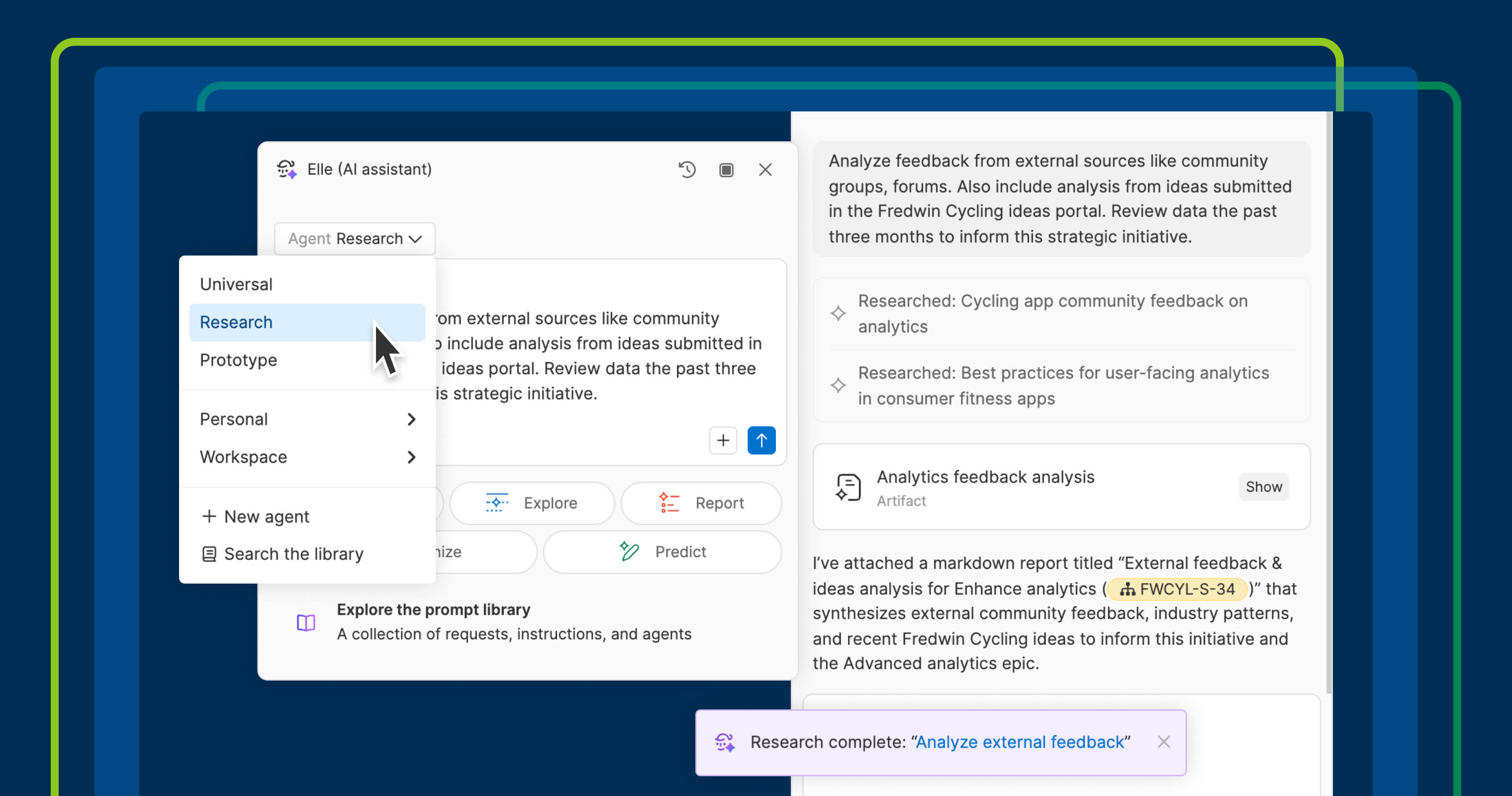
Related: Tutorial: Aha! Roadmaps | Draft your 2026 roadmap with the AI assistant
What skills have mattered most in reestablishing those best practices from when you were a smaller team?
A lot of it is transparency and open communication, which builds trust. Be upfront about why you're asking for something — and always follow through on your promises. Your actions speak louder than your words in these cases.
I am also very comfortable owning my mistakes when something does not work. When you are leading an initiative and it falls short, raising your hand and acknowledging it goes a long way. It also creates space to talk about what to do differently next time.
We talked a bit about upfront planning — how have you continued to build understanding when handing off work?
We've always invested in strong discovery upfront, but we're now able to continue those conversations — capturing feedback on enhancements and new requests in a consistent and structured way.
As we were building our foundation and trying to do things consistently across the portfolio, there was a lot of continuous customer and user feedback coming in from a number of different channels: Microsoft Teams chats, emails, phone calls, things like that.
We needed that traceability where feedback lands in a single tool, and then all the product managers would have a consistent idea management process to follow. The ideas portal in Aha! software made that possible.
Related: Best practices for stakeholder alignment: Review customer feedback
How do you keep customer understanding fresh on your team?
A big part of that starts with discovery. Our UX research team is embedded alongside technical product management, and they partner closely when we begin new initiatives where user understanding is still developing. They lead interviews and synthesize insights so we have a strong foundation before moving forward.
Where we continue to push ourselves is in making sure those insights reach beyond the immediate team involved. Not every product manager is directly involved in each research effort, so we are intentional about sharing that context and connecting insights across parallel initiatives. The goal is for everyone to stay grounded in user needs — even if they are not in every interview.
How is AI changing the way you work?
AI is effective and absolutely has a role. But there is a growing narrative that it could replace the product manager entirely. That is where I think the expectations are inflated.
AI is especially powerful when it comes to things like summarization and automation, and it can free up product managers to focus on higher-value work. But it cannot replace the context we bring as product managers. We need to keep exploring how it pairs with the human element.
Related: Can product managers be replaced by AI?
Human reasoning, user research, and domain expertise: These are capabilities developed through experience. AI can support that work, but it cannot replace the people who sit at the center of good product decisions.
Read more of the Product All-Star series.
Know an inspiring product builder? Nominate them to be featured in an upcoming post. They simply need to be doing quality work and using Aha! software.