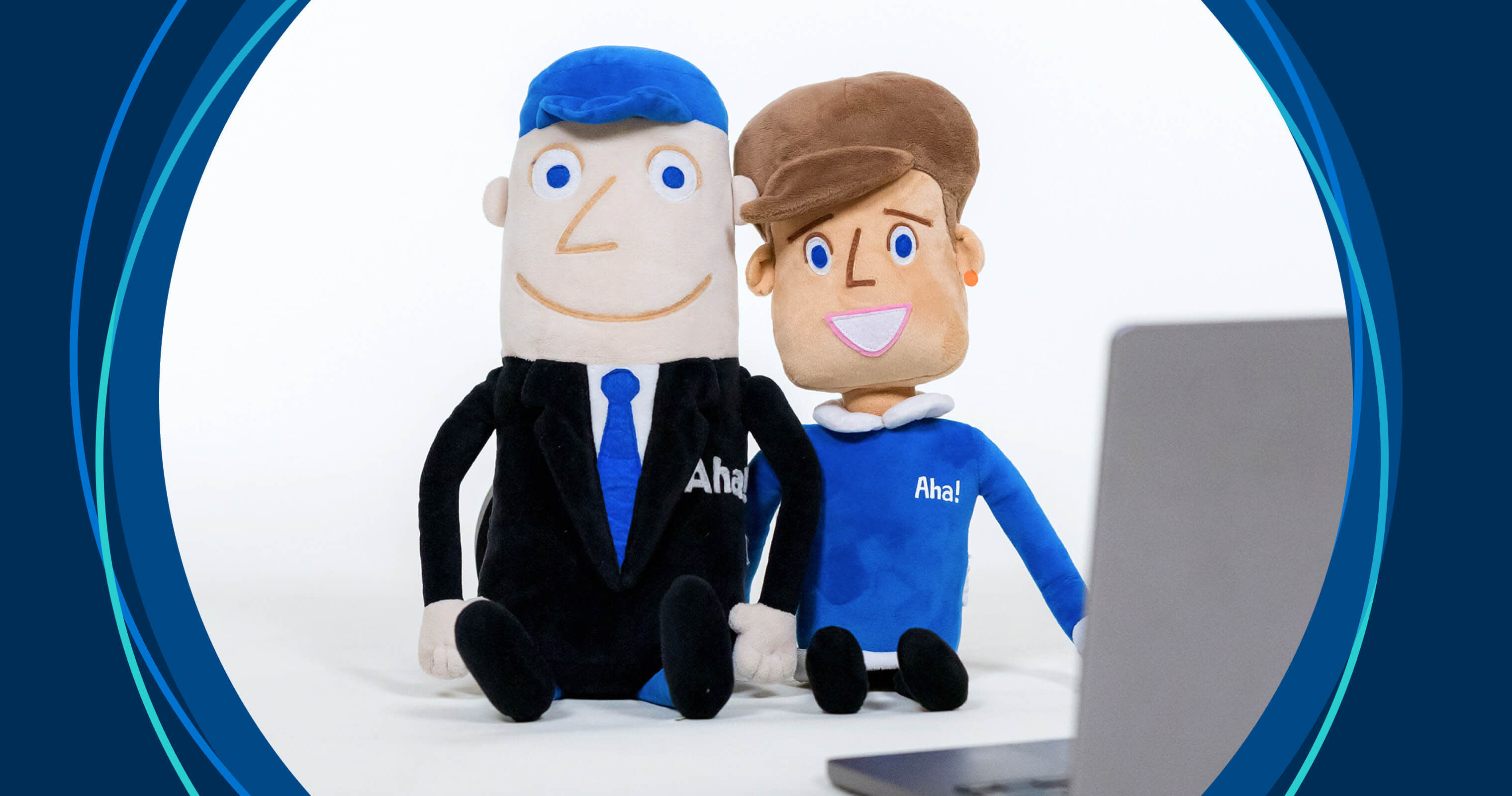
Product managers are ready to build and are taking the responsibility seriously. | Photo by Jodi B Photography
10 product manager insights about building applications with AI


We launched Aha! Builder a few weeks ago — the fastest way to create trusted business applications with AI. You can go from an idea to a trusted, scalable application in about 15 minutes.
I have been talking with customers who want to learn more — over 50 product leaders at some of the best-known and most innovative companies. They want to build prototypes to enhance existing applications and internal tools their teams have been waiting on, sometimes for years.
In these conversations, they see Aha! Builder and immediately start listing tools that were pushed aside because they could never quite justify the resources or time to build them. Their focus then shifts from what they could build to how they would manage it:
Who in the organization should be allowed to create apps?
How will they review what gets built?
Who owns and maintains these tools once other teams depend on them?
When building takes 15 minutes instead of 15 weeks, everything about product work changes.
One product leader told me his team has a three-year backlog of internal tools. "If my PMs can actually build these, that changes everything," he said, then added without pausing: "We'll need to think about approval workflows."
That has happened multiple times now. Teams are already working on creating workflows before they even have access to Aha! Builder.
The capability to build is arriving. Product teams are ready for it.
Aha! Builder is designed for this moment, when teams want to move faster without giving up control. If you are interested in trying it early, request access. We are actively meeting with enterprise teams who want to build meaningful applications.
It is an incredibly exciting time to be a product manager. These 50+ conversations revealed consistent themes about what changes when product managers can build. Here is what emerged:
1. Building business applications is serious work — built on thought, not vibes
Internal tools run critical workflows and become part of how the business operates. They deserve the same rigor as customer-facing products. That means it is critical to understand who will use them and what problem they solve.
Aha! Builder reflects this. It requires strategic input before generating code — you cannot skip to building without documenting what you are trying to achieve and why.
2. Developing is now the easy part, and deciding what to build separates good work from waste
A working application can now come together in an afternoon. Deciding whether the idea is any good takes longer. A bad idea built in 15 minutes is still a bad idea.
Aha! Builder integrates with the Aha! suite so customer research and ideas can flow into what you build. Customer discovery informs the "what," while Aha! Builder takes care of the "how."
3. Strategy-first is nonnegotiable, even in an AI world
Apps built without understanding the problem first might look impressive, but solve nothing. Vision defines where you are headed. Goals establish what success looks like. Personas clarify who you are building for.
Aha! Builder is designed for this approach. Strategic input comes first, then the AI generates from that foundation.
4. PMs are becoming product builders — and that changes team dynamics
As those outside of engineering gain the ability to ship complete applications themselves, ownership becomes more explicit. There is no longer a handoff to developers. This rewards PMs who understand what customers need and can think through how the application should work end to end.
With Aha! Builder, product managers own the complete experience from idea to production.
5. Everything changes (and nothing changes at the same time)
Product managers are doing work that was impossible even a year ago. But what the job requires at its core is the same.
Aha! Builder follows the same framework that has always produced lovable products: working from vision to launch to continuous improvement.
6. Treat AI like a brilliant, but very green teammate
AI is like a new hire who is smart, fast, and eager to please — but does not really understand your business. Give it vague direction and watch it run confidently in the wrong direction. Crisp instructions and clear boundaries ("do this, don't touch anything else") produce better results.
With Aha! Builder, this looks like giving specific instructions about what pages need to exist, what workflows should happen, and what the AI should not do.
7. Governance and support are now part of the product job
Once anyone can build, teams need to decide who can create applications, what review happens before deployment, and who is responsible for ongoing support. Internal tools need governance just like any other software you build.
Aha! Builder includes security review capabilities so IT and compliance teams can audit applications before they go live. You can review code, customize configurations, and manage user access.
8. AI is a sharp co-pilot — not just a code generator
Despite being raw, AI's role does not end with writing code. It is valuable as a way to test ideas, explore alternatives, and document what ships.
Aha! Builder makes this practical. For example, you can ask what to add to a dashboard and get smart suggestions, or have it write a user guide because it understands the app you built.
9. Real leverage sits at the seams, integrating strategy, ideas, and data
AI is especially useful when working across multiple sources simultaneously, such as analyzing your roadmap alongside customer feedback and usage data. Patterns emerge that you might have missed examining each source separately.
The AI assistant in Aha! Builder can reference your roadmap and ideas while you work. When you are thinking through app improvements, this gives you answers grounded in the context you have already documented.
10. AI will happily say 'yes' for you, but your strategy still has to say 'no'
AI will always be willing to suggest the next feature and offer to implement it. Product managers still have to decide which ideas deserve to exist and which should be declined.
The AI assistant in Aha! Builder can suggest what to build next — you decide which suggestions align with your strategy and which do not.
What users need and what the business can support is what you should build. That is how you avoid "slopware."
The teams we are talking to see the future. They are eager to move quickly, but they are equally focused on avoiding a future filled with unowned apps and unclear responsibility. They see what Aha! Builder unlocks, and they are already thinking about how to use it well.
Aha! Builder is for product managers who want to create prototypes and applications with speed and discipline. Learn more.